The ODYSSEY Media Group has compiled seven stories about Hispanic heritage and culture in honor of Hispanic Heritage Month.
Infographic: Hispanic Heritage Month
An infographic shows five facts about Hispanic Heritage Month. It was declared a national holiday in the United States by former president H.W. Bush in 1989. Graphic by Adah Hamman
An infographic shows five facts about Hispanic Heritage Month. It was declared a national holiday in the United States by former president H.W. Bush in 1989. Graphic by Adah Hamman
Variety Editor Adah Hamman shares five facts about Hispanic Heritage Month in honor of it taking place Sept. 15-Oct. 15.
Spanish Book Club sets goals
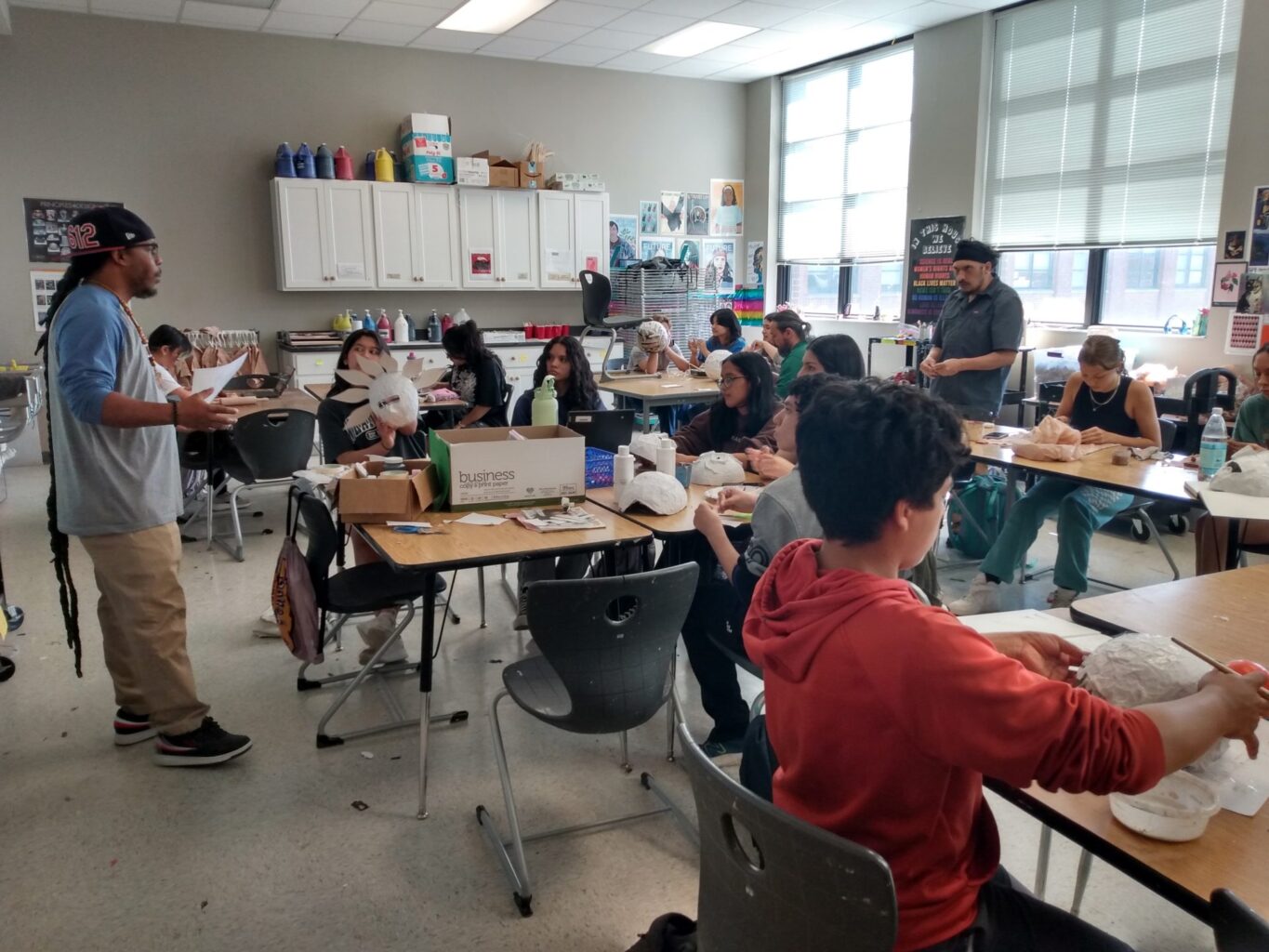
Spanish club members make masks at a meeting during the 2024-25 school year. When CCHS junior Kaitlyn Spence joined the Spanish Book Club in 2022, she was inspired by the atmosphere of the group. “I joined Spanish Book Club because I just saw the community they had, it was really strong, and it was just a bunch of Latinos and people who, you know, just wanted to be a part of their own culture,” Spence said. Photo courtesy of Christian Cordon
The CCHS Spanish Book Club continued its partnership with UGA professor Dr. Lou Tolosa-Casadont in setting goals for the 2025-26 school year.
The CCHS Spanish Book Club continued its partnership with University of Georgia professor Dr. Lou Tolosa-Casadont in setting goals for the 2025-26 school year.
In 2023, Tolosa-Casadont, the UGA Department of Language and Literacy Education Clinical Professor and World Language Program Coordinator received the Glickman Challenge Grant, a grant awarded to professors picked by a committee of faculty members and school partners to create collaborative projects with schools in the area.
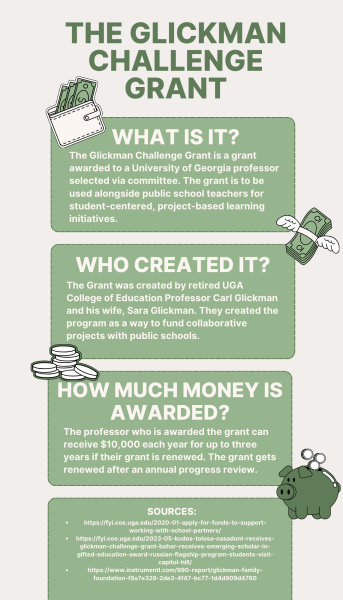
An infographic explains the Glickman Challenge Grant, which finds Clarke Central High School’s Spanish Club. University of Georgia Department of Language and Literacy Education Clinical Professor and World Language Program Coordinator Dr. Lou Tolosa-Casadont received the grant in 2023 and has used the funds to support the CCHS Spanish Club. “The Glickman funds can be used to support whatever the faculty member here in the College of Ed. is working on, and (this is) the work we’re doing,” Tolosa-Casadont said. Infographic by Abigail Holloway
Tolosa-Casadont brought this money to Clarke Central High School, where she and foreign language department teacher Christian Cordon formed the Spanish Book Club, focusing on bringing students together to learn about and celebrate Hispanic culture. Now, in her third year working with Cordon, Tolosa-Casadont is looking forward to all that the club hopes to accomplish in the 2025-26 school year.
“I am super excited. It is lovely to be around motivated young students who are passionate about the (Spanish) language and want to learn more about the culture,” Tolosa-Casadont said.
Looking to the rest of the 2025-26 school year, the Spanish Book Club is planning for a lot of projects. club member Kaitlyn Spence, a CCHS junior, is focusing on the volunteering opportunities the club will have throughout the year.
“Especially with everything political going on (currently), we really want to send out (a supportive) message (to the Hispanic community) and show our volunteering skills,” Spence said. “We’re doing Trunk or Treat, (The) Hispanic Heritage Month (Festival), (Hispanic Heritage) spirit week, as well as set up (informational) tables during lunch for South America (and) North America to (give) people (an) idea of where (Hispanic Heritage) comes from.”
“I am super excited. It is lovely to be around motivated young students who are passionate about the (Spanish) language and want to learn more about the culture.”
— Dr. Lou Tolosa-Casadont,
UGA Department of Language and Literacy Education Clinical Professor and World Language Program Coordinator
For club meetings, the focus is slightly different. Tolosa-Casadont has worked to incorporate literacy and art into the club’s main focus.
“(By) the end of this year, our goal is to write stories (and share) personal experiences (and)something from our past, and then we’re hoping to put that into a book format,” Tolosa-Casadont said. “(We wanted to) showcase the work that Mr. Cordon and all of his colleagues are doing, and we wanted to bring people from different walks of life, not just heritage and native (Spanish) speakers, but other (people) who (are) also interested in Spanish.”
Five books to read in honor of Hispanic Heritage Month

A graphic shows five books focused on Hispanic heritage or culture in honor of Hispanic Heritage Month. One of these books was “Lobizona” by Romina Garber, released in 2020 and inspired by Argentinian folklore. “For any reader looking for a story that will draw them in for a vivid and emotionally thrilling ride that harnesses a magical myth in the author’s own, captivating way, ‘Lobizona’ is the place to look,” Digital Editor-in-Chief Lea D’Angelo wrote. Graphic by Lea D’Angelo
In honor of Hispanic Heritage Month, Digital Editor-in-Chief Lea D’Angelo read and recommended five books that comment on or celebrate Hispanic culture.
“Aristotle and Dante Discover the Secrets of the Universe” by Benjamin Alire Sáenz
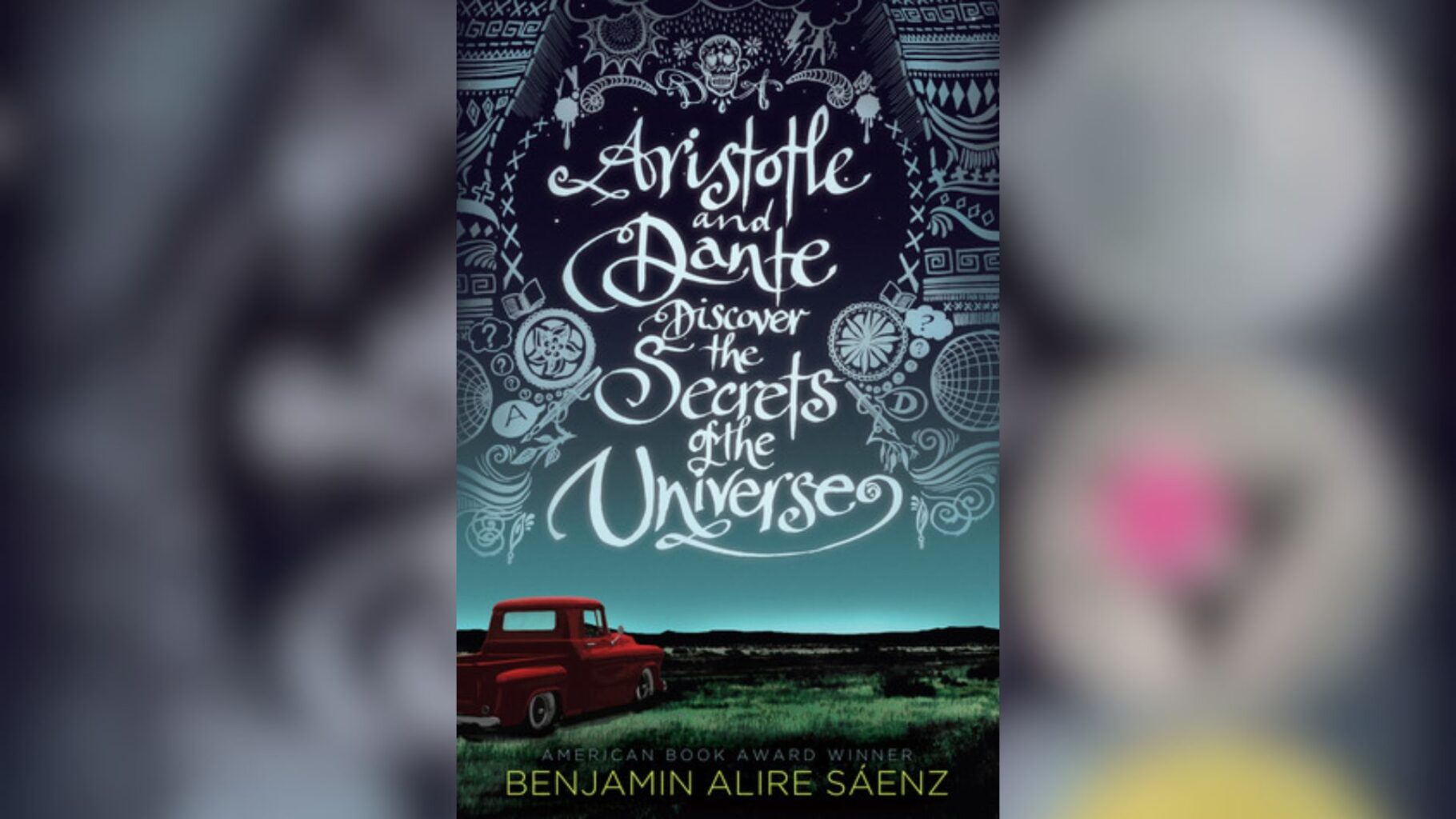
The cover of Benjamin Alire Sáenz’s “Aristotle and Dante Discover the Secrets of the Universe” is shown. Released in 2012, the young-adult novel follows two teenage boys living in El Paso, Texas, both trying to figure out their Latinx and queer identities. “Sáenz’s character and plot development weaves a captivating story that will have readers rooting for Ari and Dante’s friendship and eventual romantic relationship from the beginning,” Digital Editor-in-Chief Lea D’Angelo wrote. Photo fair use of Goodreads
From their first meeting to the evolution of their friendship, Benjamin Alire Sáenz’s Aristotle and Dante (no, not the poet and philosopher) will keep readers wanting for more.
Released in 2012, “Aristotle and Dante Discover the Secrets of the Universe” tells a captivating story about the friendship and identity of two very different Mexican-American teenage boys living in El Paso, Texas, in 1987.
While Ari is quiet and unsure of himself, Dante is the opposite: confident and fearless. Dante’s family talks about everything, while Ari’s prefers quiet contemplation. Dante struggles to see his Mexican culture as a part of his identity, while Ari is proud of his.
Despite the two’s differences, Sáenz’s character and plot developments weave a captivating story that will have readers rooting for Ari and Dante from the beginning.
Sáenz’s use of lyrical prose and dialogue brings the two boys and their families together in a vulnerable story that touches on powerful topics such as stereotypes surrounding the cultural and queer identities of the two boys in a world that is far from accepting. However, to some, the dialogue between the two might seem unnatural at points.
Overall, “Aristotle and Dante Discover the Secrets of the Universe” is a good read for anyone looking for an emotional coming-of-age story with easy-to-love characters.
“Clap When You Land” by Elizabeth Acevedo
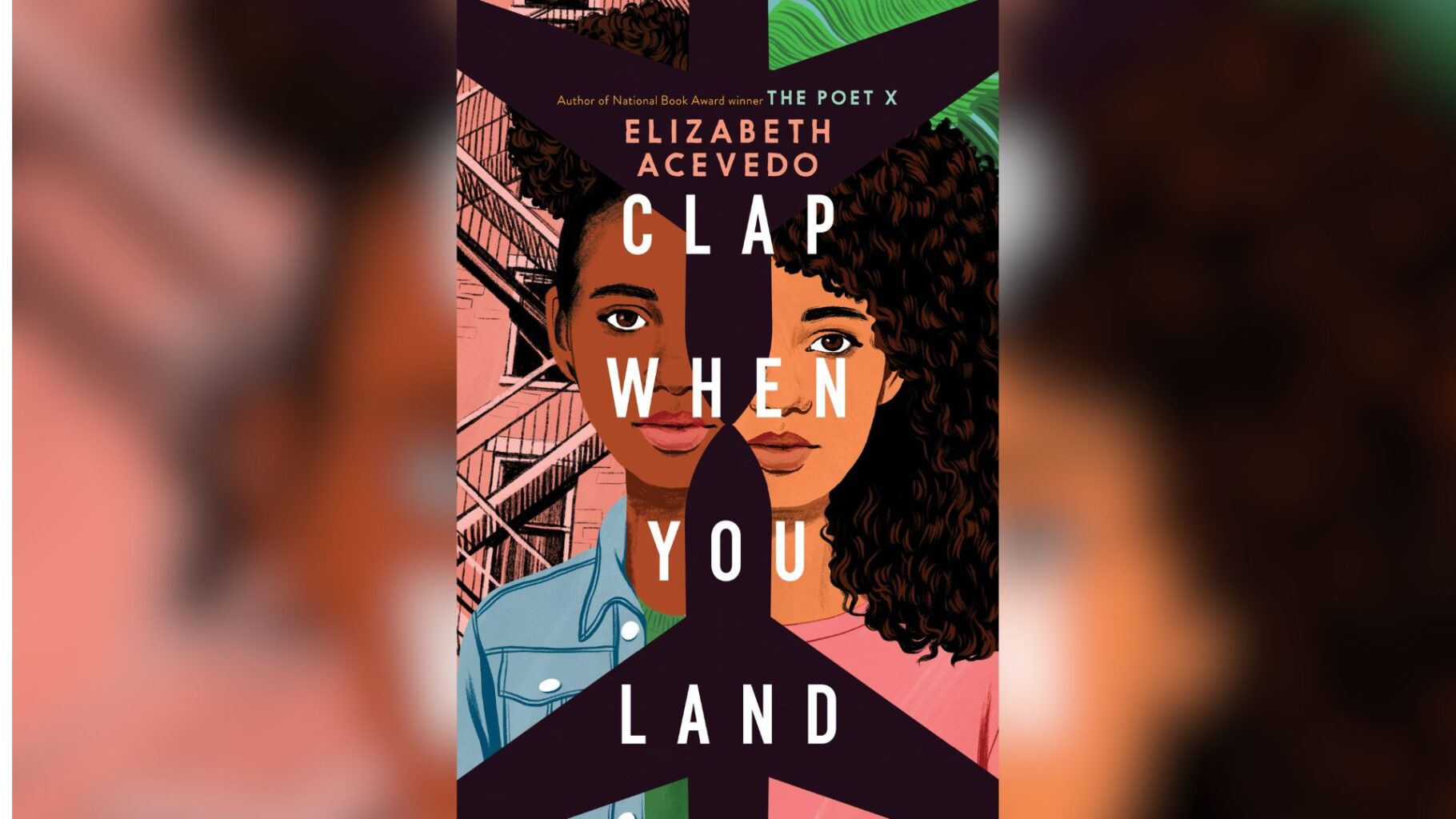
The cover of “Clap When You Land” by Elizabeth Acevedo, a young-adult novel about two sisters, one living in New York City, the other in the Dominican Republic, is shown. Released in 2020, the novel explores themes of grief and privilege in a captivating way. “The use of dual points of view allows readers to see the story play out from both girls’ perspectives, each experiencing challenges and conflicts in a world that seems unreal to the other,” Digital Editor-in-Chief Lea D’Angelo wrote. Photo fair use of Goodreads
Two half-sisters. 1,600 miles between them. No knowledge that the other exists. Camino in the Dominican Republic and Yahaira in New York City.
These two girls are brought together in Elizabeth Acevedo’s “Clap When You Land” when their father, who spent 18 years traveling back and forth between the two without the other knowing, dies in a plane crash.
Told in prose, the novel captures the differences between the girls in an engaging way. Camino always dreamt of going to the United States with her father one day, a challenging feat due to the paperwork and visa requirements needed. And Yahaira, who, as Camino says, “can hop on a plane” anytime she wants, is portrayed as somewhat oblivious to how privileged her life is.
Acevedo explores this theme of privilege throughout the book with the use of dual points of view, allowing readers to see the story play out from both girls’ perspectives, each experiencing challenges and conflicts in a world that seems unreal to the other.
There is also a sense of mystery to the story as both try to figure out what the other knows about their father’s history. However, some might find the storyline boring, as much of the story is spent on heartfelt dialogue and quiet grief.
For those looking for an emotional coming-of-age story exploring cultural differences, “Clap When You Land” is a well-suited choice.
“We Are Not From Here” by Jenny Torres Sanchez
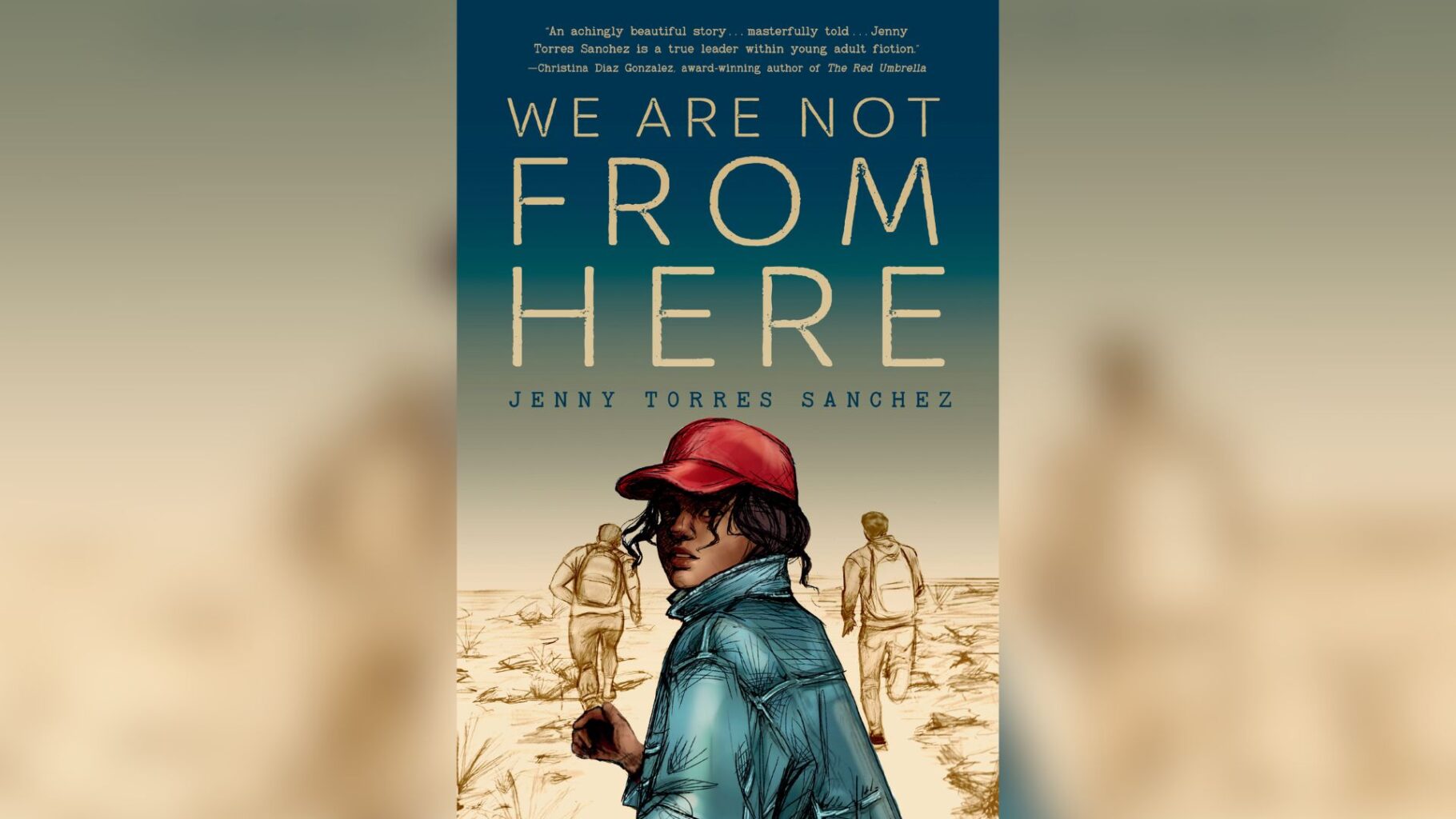
The cover of “We Are Not From Here” by Jenny Torres Sanchez is shown. This young-adult novel was released in 2020, originally inspired by the immigration raids that took place in the United States in 2015. “‘We Are Not From Here’ gives a startlingly accurate look at a situation many currently face in a way that will have readers rooting for each character they encounter,” Digital Editor-in-Chief Lea D’Angelo wrote. Photo fair use of Goodreads
Inspired by the 2015 immigration raids in the United States, “We Are Not From Here” by Jenny Torres Sanchez tells a heartbreaking, and unfortunately true, story of the horrors many face when attempting to cross the U.S. border.
The realistic fiction young-adult novel was released in 2020 and discusses topics that are still more than relevant today, as it follows three teenagers: Pulga, Chico and Pequeña as they attempt to cross through Mexico on their journey from Guatemala to the U.S. border together.
Each running from their own monsters back home, the three follow “La Bestia,” or “The Beast” in English, a network of trains that is still used by migrants today to get from Central America to the U.S.. Sanchez utilizes alternating points of view between Pulga and Pequeña to tell their stories in a way that both maximizes emotional impact and separates each character into their own identity.
Yet, through all the pain and loss the journey entails, Sanchez finds a way to bring in rays of hope and kindness that give the story a much-needed air of positivity, despite the plot being slow at points, emphasizing emotion rather than action.
Overall, “We Are Not From Here” gives a startlingly descriptive look at an issue in society today and will have readers rooting for each character they encounter.
“Cemetery Boys” by Aiden Thomas
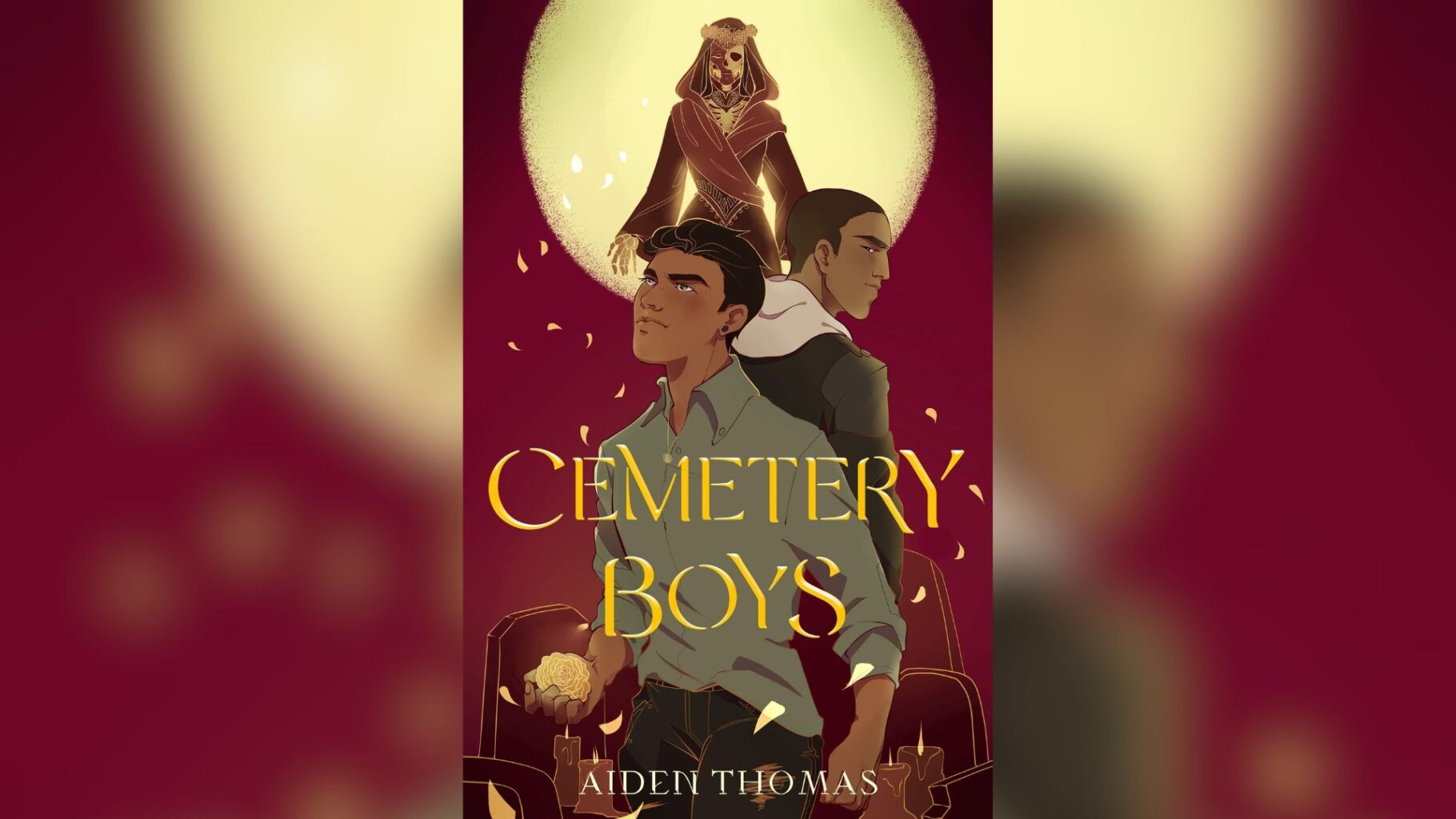
The cover of the young-adult fantasy novel “Cemetery Boys,” written by Aiden Thomas, is shown. Released in 2020, the novel is chock-full of fantastical elements while also touching on the reality of the main character Yadriel, a transgender teenage boy facing the ideals of his traditional Latinx family. “The novel holds an alluring balance between an emotional and suspenseful tone, with a combination of heartwarming and action-filled moments that make it so any reader will be able to find something for them,” Digital Editor-in-Chief Lea D’Angelo wrote. Photo fair use of Goodreads
Originally released in 2020, “Cemetery Boys” by Aiden Thomas tells a story of mystery and magic that captures readers in the best way possible: through the characters.
The young-adult fantasy novel follows Yadriel, a transgender teenager who is doing everything he can to get his Latinx family to look past their traditional views and accept him as a brujo, or “witch” in English. With the help of his cousin Maritza, he performs the ritual to unlock his magical powers and sets off on a quest to lay the spirit of his cousin to rest in an attempt to prove himself.
But, the unexpected happens when Yadriel summons the spirit of Julian Diaz, the rebellious, overwhelmingly curious boy he finds himself falling for. As they work together, Thomas weaves an inseparable bond that readers can’t help but get attached to.
Thomas’s representation of Yadriel’s relationship with his family is also fascinating, as they simultaneously show great love and endearment towards him while denying his trans identity, going past the “all or nothing” ideals many young-adult books about queer acceptance have adopted.
While some of the fantastical elements of “Cemetery Boys” are rushed and confusing, the novel maintains an alluring balance between emotional and suspenseful tones through a combination of heartwarming and action-filled moments, making it so that any reader will be able to find something for them.
“Lobizona” by Romina Garber
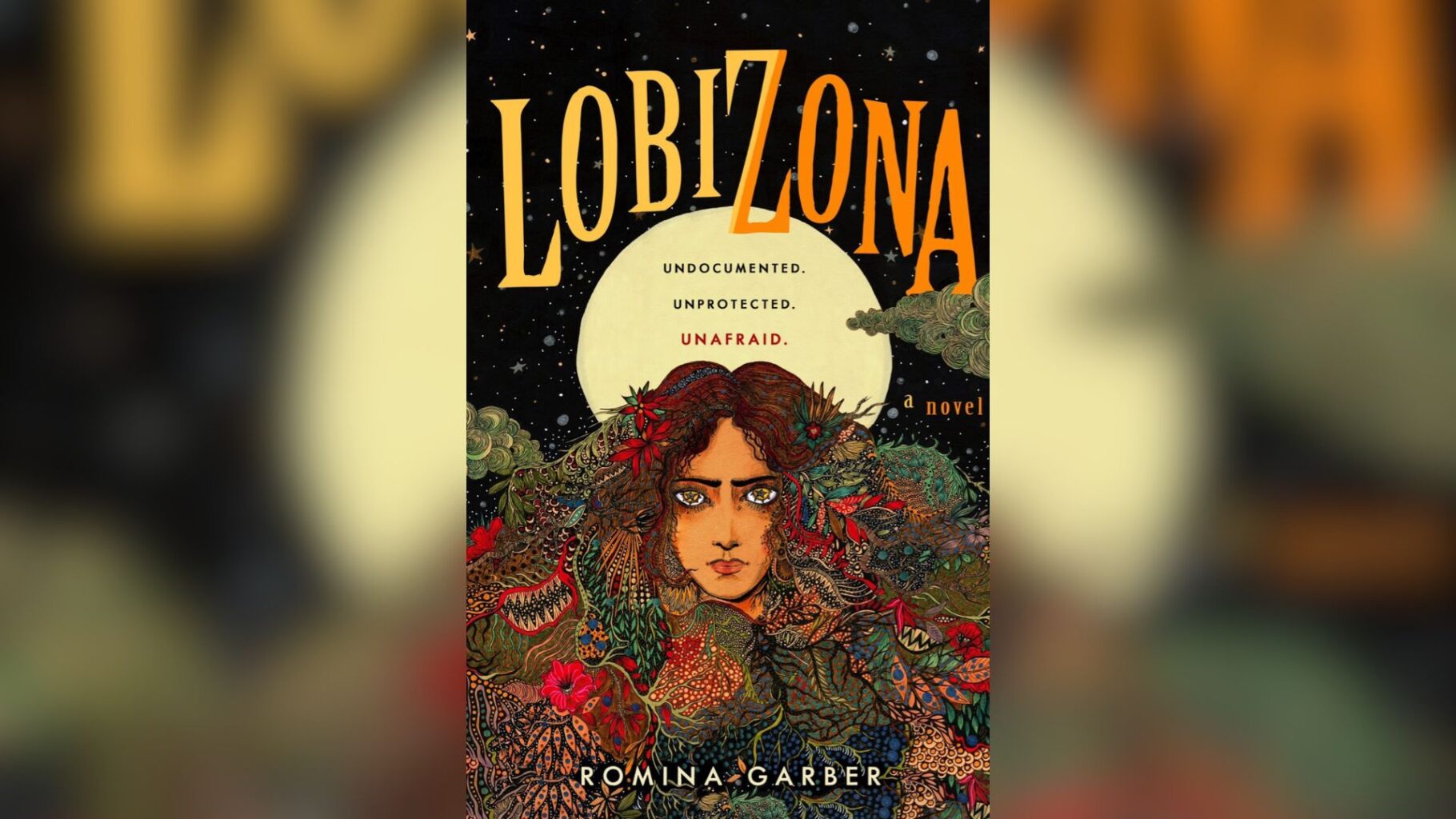
The cover of “Lobizona,” a young-adult fantasy novel by Romina Garber, is shown. Garber drew on Argentinian folklore when writing about lobizones, or “werewolves” in English, to tell the captivating story. “Garber’s storyline encapsulates topics such as belonging, prejudice, gender roles and immigration in a way that is real and much-needed in today’s society while still holding true to a magical element from centuries ago,” Digital Editor-in-Chief Lea D’Angelo wrote. Photo fair use of Goodreads
Weaving an enriching story of werewolves and witches derived from Argentinian folklore, “Lobizona” by Romina Garber is essential for any fantasy-loving reader looking for a legend-inspired read.
Manuela “Manu” Azul lives in a bubble. An undocumented immigrant from Argentina and hiding out from her crime-involved family in the depths of Miami, she is confined to a life of solitude with sunglasses to hide her unusually golden eyes until a series of events leads to her mother being arrested by ICE and Manu losing her home.
On the run, Manu finds a magical school for brujas and lobizones, or witches and werewolves in English, from Argentinian folklore. Garber’s storyline encapsulates topics such as belonging, prejudice, gender roles and immigration in a way that is real and much-needed in today’s society. She simultaneously manages to hold true to a magical element from centuries ago.
While some might find the pacing slow at times, the plot twist at the end is one that’s well worth the wait, particularly in tandem with Garber’s exemplary world-building and descriptive writing.
So, for any reader looking for a story that will draw them in for a vivid and emotionally thrilling ride that harnesses a magical myth in the author’s own, captivating way, “Lobizona” is the place to look.
Gallery: 2025 Hispanic Heritage Month Festival

CCHS and Athens community members attend the 2025 Hispanic Heritage Festival in the CCHS bus loop on Sept. 30. The event incorporated multiple displays of different Central and South American cultures. “I think what I’m enjoying the most (is) that, this year, there are tables representing (individual) countries, and they have a little snack or something to kind of represent (the country) that people can take,” CCHS science department teacher Enya Granados, who attended the event, said. Photos by Iliana Tejada and Miriam Silk
More from Iliana Tejada
More from Miriam Silk
Hot Topic: Five notable Hispanic athletes
A slideshow shows five notable Hispanic athletes in honor of Hispanic Heritage Month. For example, tennis player Rafeal Nadal, who was born in Manacor, Mallorca, Spain on June 3, 1986. “Nadal has won 22 Grand Slam singles titles, more than any other player in history on a single surface. Nadal also secured a gold in both the 2008 and 2016 Summer Olympics.” Ash wrote. Graphics by Edie Ash
Social Media Coordinator Edie Ash compiled five notable Hispanic athletes in honor of Hispanic Heritage Month.
Video: CCHS foreign exchange students
Variety Staffer Cesia Martinez shares information about Spanish exchange students Ines Ruiz Martinez and Aitana Martinez, both Clarke County High School juniors. Both students came to the United States for the 2025-2026 school year at CCHS with Northwest Services and EF Exchange Year. “I think that the biggest difference is the classes. In Spain, we stay in the same class the whole day and we don’t change and here it’s the opposite,” Ruiz said. Video by Cesia Martinez
Spanish foreign exchange students Ines Ruiz Martinez and Aitana Martinez have come to CCHS for the 2025-26 school year.
Building bridges: Q&A with Director of Dignidad Inmigrante en Athens Esther Carrillo
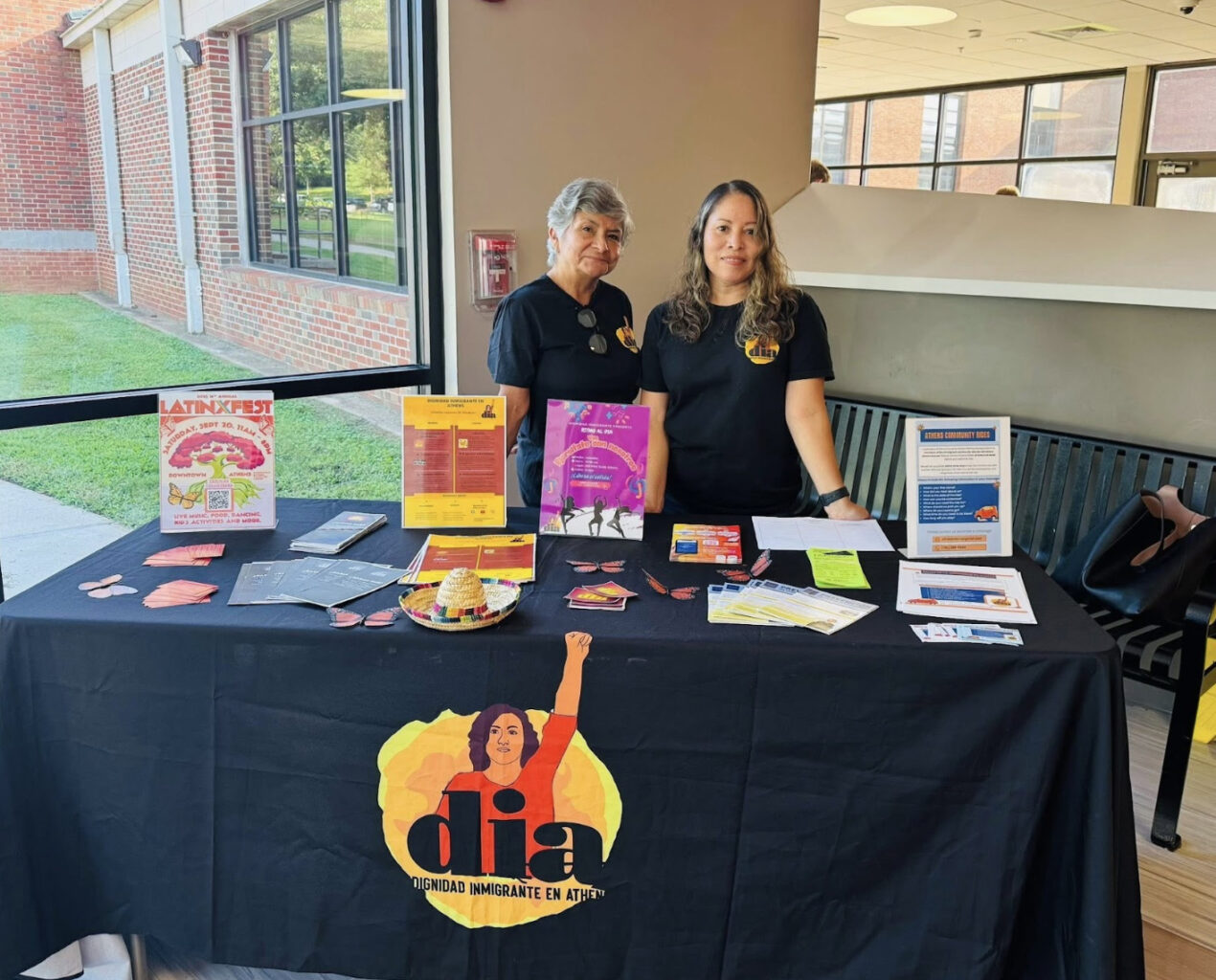
Director of Dignidad Inmigrante en Athens Esther Carrillo (right) stands with another volunteer in the E.B. Mell Lobby at the Clarke Central High School Open House on Aug 19. Carrillo, as one of the directors of Dignidad Inmigrante en Athens, works to help the immigrant community in Athens. “Helping others always makes me feel like a better human being. The community has told me that I am (the) little light. I am always trying to have a lot of information to be able to support more of what I do. I see myself as a grain of sand that is needed anywhere,” Carrillo said. Photo courtesy of Esther Carrillo
Esther Carrillo, one of the directors of Dignidad Immigrante in Athens, shares her experience being a part of the initiative and how her work has impacted the future of the Athens community.
Variety Staffer Cesia Martinez: Can you tell me about Dignidad Inmigrante en Athens?
Director of Dignidad Inmigrante en Athens Esther Carrillo: Dignidad Inmigrante en Athens fights for the rights of our immigrant community. We know that there are many barriers. We try to have an informed community that knows a lot about resources (and) knows, more than anything, about its rights. We know that a community that is highly informed is always a safer and stronger community in these difficult times. We always continue working with the struggle of immigrants (and) highlight a lot (about) what culture is by providing support to families who are in difficult situations with the delivery of food, diapers and other resources.
CM: What do you do as a director?
EC: In this position, I have the role of directing what all (the organization is) are doing. I am part of the base and I am also the contact person when we have these events, when we have that timeline of throughout the year we work with what the culture mentions. From the beginning of the year, there is a timeline where we can have all the activities of the year including having those information (meetings). We always say that our community must be informed, so I have the role of directing (that information).
CM: What is the mission of Dignidad Inmigrante en Athens?
EC: Our mission is to create spaces of liberation, which means that a person with a lot of knowledge (can be) free from fear. Those spaces are information workshops on knowing your rights, providing information on your labor rights. We also have that resource information, resources with volunteers for families. Likewise, resources beyond difficult situations such as lawyers, how to defend yourself. Those spaces are the mission.
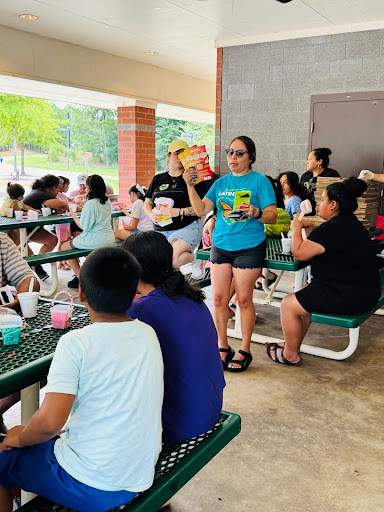
Director of Dignidad Inmigrante en Athens Esther Carrillo speaks to families at Virginia Walker Park on July 26. Carrillo, who is doing this work voluntarily, has had the opportunity to help create informational spaces for immigrants in the community. “It’s not that we are the solution, nor that we have all the resources, but we are the ones who listen, the ones who are there giving us that shoulder to listen, to reassure the families,” Carrillo said. Photo courtesy of Esther Carrillo
CM: What are the goals for the group?
EC: Our goal is to continue moving forward, continue being stronger (and) continue projecting more information. We know that in these difficult times we forget a lot about culture and how to think about how (our) mental health has been doing. Our children and young people are absorbing all of this and it may stay with them. One way to get out of it is to look for a solution. We are focusing on the situation that is happening and how to solve those (problems) that sometimes are not touched. Sometimes you can’t hear it (and) sometimes we don’t give it importance.
CM: Dignidad Inmigrante en Athens organized the Latinx Fest that took place on Saturday, Sept. 20 in Downtown Athens. Can you tell me how that event went?
EC: It was an event that was highly anticipated. In these more difficult times, one way to celebrate is by being at Latinx Fest. It is like being in your country. This year, I saw it as a healing festival, being there and it is also nice to have the gastronomy of the culture of different countries. This year, we had Peruvian food, Salvadoran food, Venezuelan food (and) Colombian food. It’s very nice how we learn from another culture (and) from other foods. The (attendees) learn from us. Sharing and highlighting the mission of the festival is to bear witness to our culture, to what our community has been doing. I have always said that our culture beautifies wherever we are.
CM: What role did you have in organizing this event?
EC: Since February, we have been seeing what date we want, (with) meetings and everything. We (wanted to have) have more sponsors, more community, (University of Georgia) people, volunteers and lots of information. This year we had many resources that the community can benefit from, such as Project Safe, health resources, immigration lawyers (and) car accident lawyers. (At the event,) I think that people, apart from celebrating being in that beautiful space, we’re also informing that (having resources) is a priority.
Our goal is to continue moving forward, continue being stronger, (and) continue projecting more information.
CM: What has your experience been with Hispanic culture here in Athens?
EC: It has been very nice. I think that in Athens there is a lot of diversity. I see Hispanic events everywhere, especially in schools. For example, Clarke Central (High School) did (the Hispanic Heritage Festival), so it’s really nice to see how these children are getting more involved. They are spending time (out) of their lives to organize and enjoy not as a student but with the whole family. I feel that Athens culture, (as) more time passes, we are using more and (that culture) also passes between families so as not to get lost because we always have to know where we come from and where we will go.
CM: Why do you think something like Dignidad Inmigrante en Athens is important right now?
EC: We are in difficult times, the community is under attack, there is a lot of fear, there is a lot of anxiety. It’s not that we are the solution, nor that we have all the resources, but we are the ones who listen, the ones who are there giving us that shoulder to listen, to reassure the families. We look for those resources, we work with immigrants’ rights so there are those resources of (those who) can’t drive, they can have a ride, if there is a family in deportation crisis, we can look for a lawyer. We are not the solution in general but we are that relief in terms of resources or guides. It is very important to be where we are and also inform and how we are prepared for when that situation occurs. Our organization is connected to the coalition (that helps immigrants) and that makes it easier because we have more resources, we have more support and we cannot advance alone.