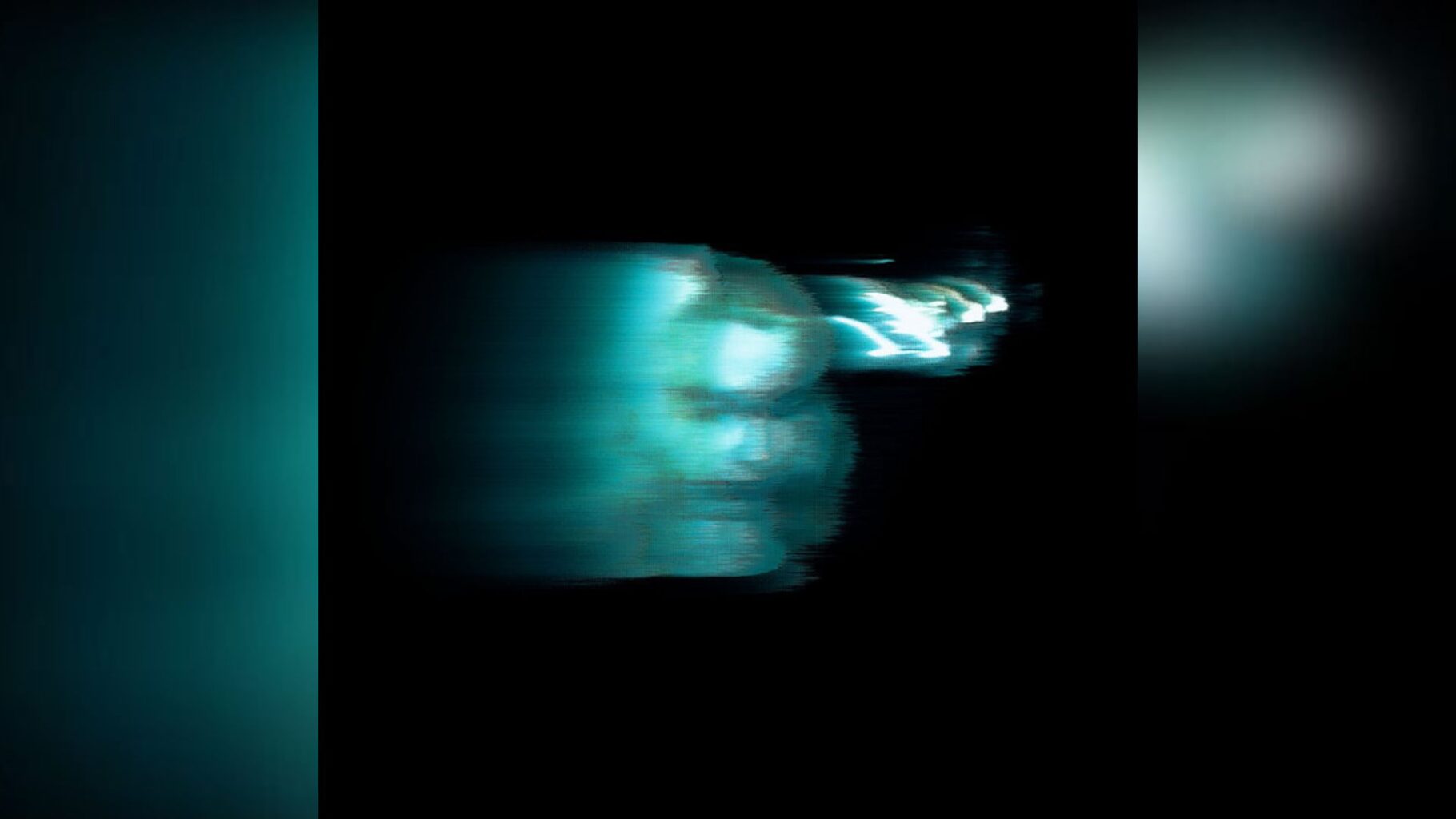
The cover of American singer-songwriter Phoebe Bridgers’ third solo album “Lost Weekend” is shown. The album was released on Aug. 14 and features 16 songs that explore themes of grief, love, loss and healing while combining Bridgers’ familiar emotional sound with more upbeat and experimental styles. “‘Lost Weekend’ works because it does not completely leave behind the sadness that has become part of Bridgers’ music. Instead, it combines that familiar emotional style with new sounds and variety,” Visuals Staffer Maypop Wren Wrote. Photo fair use of Bandcamp
Through a mix of upbeat sounds and emotional lyrics, Phoebe Bridgers explores grief, love and healing in a new way in her new album “Lost Weekend.”
American singer-songwriter Phoebe Bridgers’ third solo album, “Lost Weekend,” was released Aug. 14 and includes 16 songs for a total of 52 minutes. Throughout the album, Bridgers explores grief, loss, memory and healing while bringing in sounds that feel different from some of her earlier work.
The album starts with “The Outside,” which creates a feeling of emotional numbness and sets the tone for what follows. While sadness is still a major part of the album, not all songs in the album maintain the depressing tone. Songs like “Lost Boys” have a catchy, upbeat sound while still carrying emotional lyrics. “Haunted” adds even more variety with its folky, lively sound while still keeping the album’s darker emotional tone. This mix of happier music and heavier themes gives the album more variety.
““Lost Weekend” stands out because it mixes emotional lyrics with a wider range of sounds. Songs like “Still Standing” focus on grief and memory, while “Never Going Back!” brings a more hopeful feeling. This change in mood makes the album feel like it is moving from reflecting on the past toward accepting it and moving forward.”
One of the most interesting songs is “The Governor’s Waltz,” which creates a contrast between its lighter sound to create a strange combination of happiness and sadness, the lighter, whimsical essence of the song contrasts with the emotional subject. “Bobby” is another major change, bringing in a much more upbeat sound. These songs show that Bridgers is willing to move outside of the style listeners may expect from her.
The title track, “Lost Weekend,” is one of the most emotionally intense songs on the album. It explores both love and resentment, making the emotions feel complicated instead of simply sad. “Still Standing” focuses more directly on grief and memory and stands out as one of the album’s saddest songs. Its focus on holding onto memories gives the song a heavier emotional weight than some of the album’s more upbeat tracks. On the other hand, “Never Going Back!” adds a sense of hope and moving forward. The contrast between these songs shows how the album moves between looking back at painful experiences and beginning to let them go.
“Lost Weekend” stands out because it mixes emotional lyrics with a wider range of sounds. Songs like “Still Standing” focus on grief and memory, while “Never Going Back!” brings a more hopeful feeling. This change in mood makes the album feel like it is moving from reflecting on the past toward accepting it and moving forward.
For longtime fans, “Lost Weekend” still has the emotional songwriting that makes Bridgers’ music recognizable. At the same time, it shows that her music can grow without losing its emotional core. “Lost Weekend” proves that sad music does not have to remain slow or heavy, it can change, experiment with new sounds and still communicate the same or complicated emotions.