
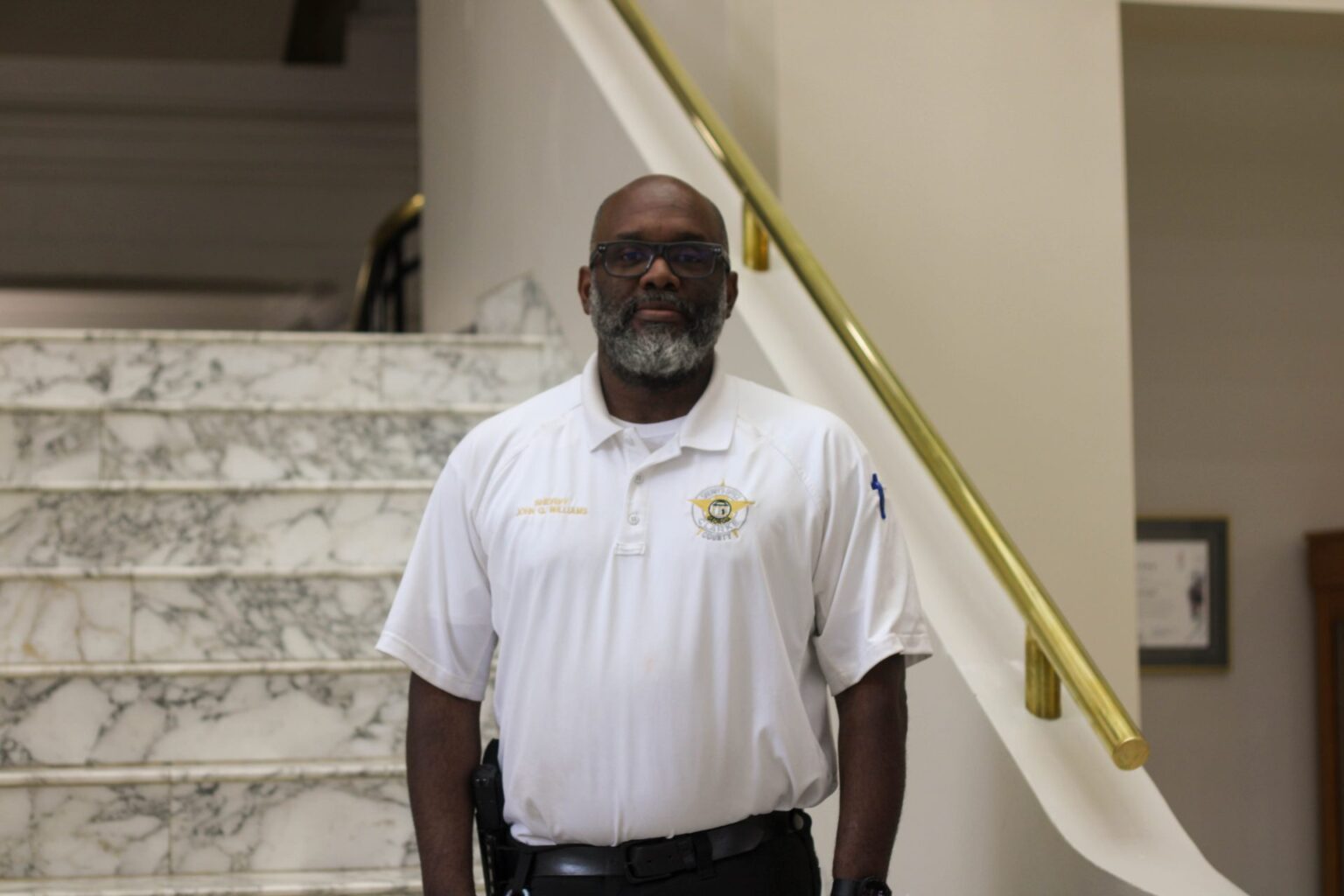
Athens-Clarke County Sheriff John Q. Williams stands in front of the Georgia state flag in the Clarke County Magistrate Court building on Feb. 11. Williams stepped into his position in January of 2021 and has since learned about the community through his role. “Being a sheriff that happens to be Black, as well, there are some questions (you get asked) that somebody who’s not Black wouldn’t be asked. (And that’s) an opportunity not only to educate people, but also to learn more myself,” Williams said. “Sometimes, you’re not accepted by either (race) because this is more of a profession for Caucasian people, because a lot of people see it as oppressive in nature. Then on the other side, you’re not necessarily accepted by people who are Black and have the same culture, because you’re a sellout.” Photo by Cooper Jones, story by Violet Dockery and Lea D’Angelo
“The American Dream has always been (that) you could be anything that you want, but if you don’t see somebody else that looks like you doing that, you don’t necessarily believe that that is the case. And I think those are really big things, and that’s why we need to go over it, because Black history is, in fact, American history. There’s a lot of things that if you don’t know, you won’t even understand what America is, and you have to take the good, the bad and everything in between, in order to understand how we got where we are today.”

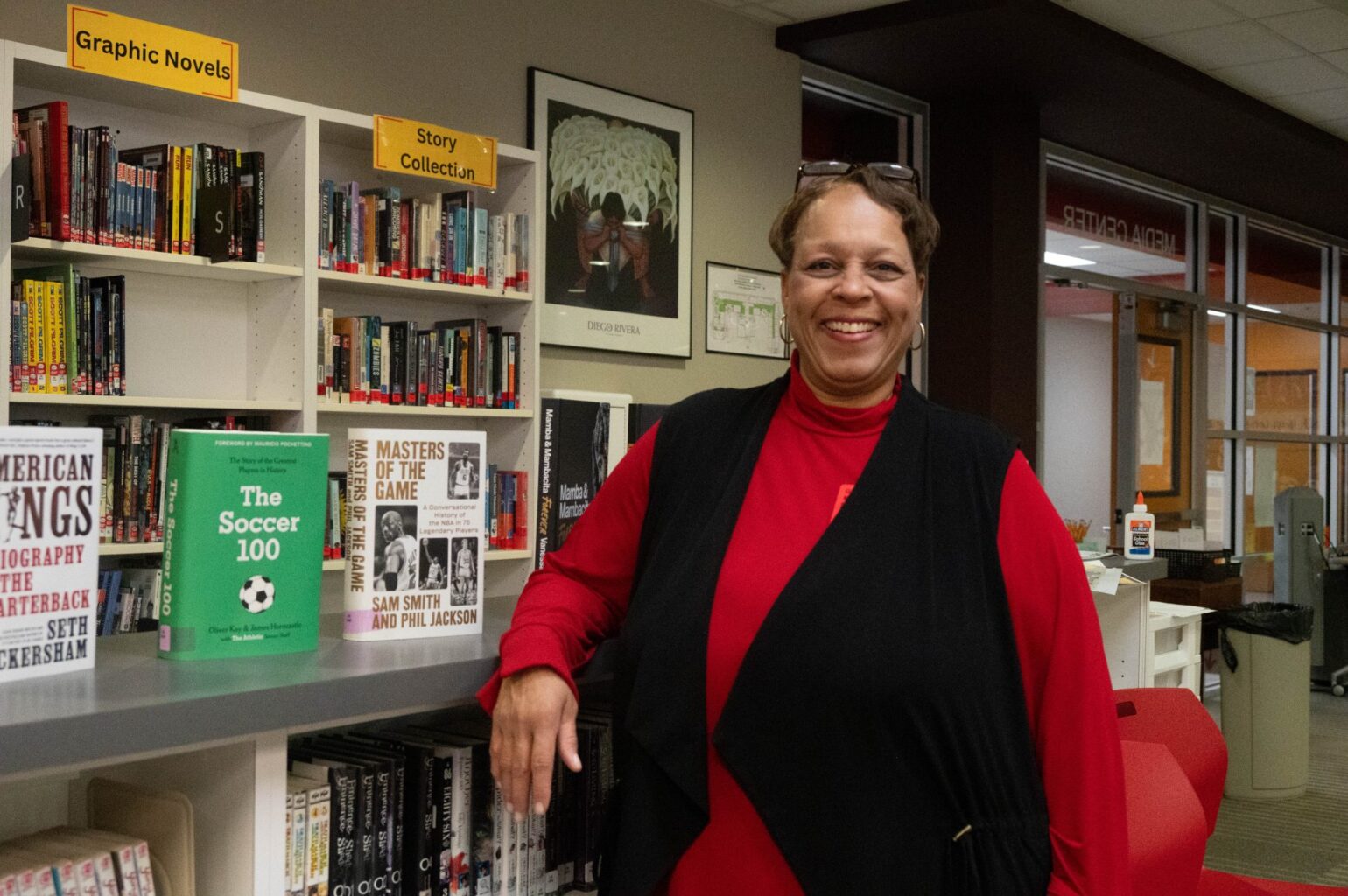
Retired Clarke County School District educator Gwen Manzy poses in the Clarke Central High School Media Center on Jan. 5. Manzy attended an all-Black elementary school in Columbus, Miss, an experience she carried with her as a teacher at Bettye Henderson Holston Elementary School and a mentor at Foothills Regional High School. “The teachers (at my school) was just dedicated and kind (and) provided a good example,” Manzy said. “I used to see my teachers as really hands on and caring, like when picture day came, they would always bring a comb and brush and brush our hair, fix our face and make sure we were presentable. So, in that small situation, it really enhanced me in the formative years.” Photo by Grady Dunston, story by Olivia Trimble and Lea D’Angelo
“College actually did not prepare me for the reality of everyday operations in a classroom where students come from diverse environments and you have to figure out how to use the standards, use their current lives and bring them all together. So college gave me an educational base, but in real life practices, it’s been learning day to day.”

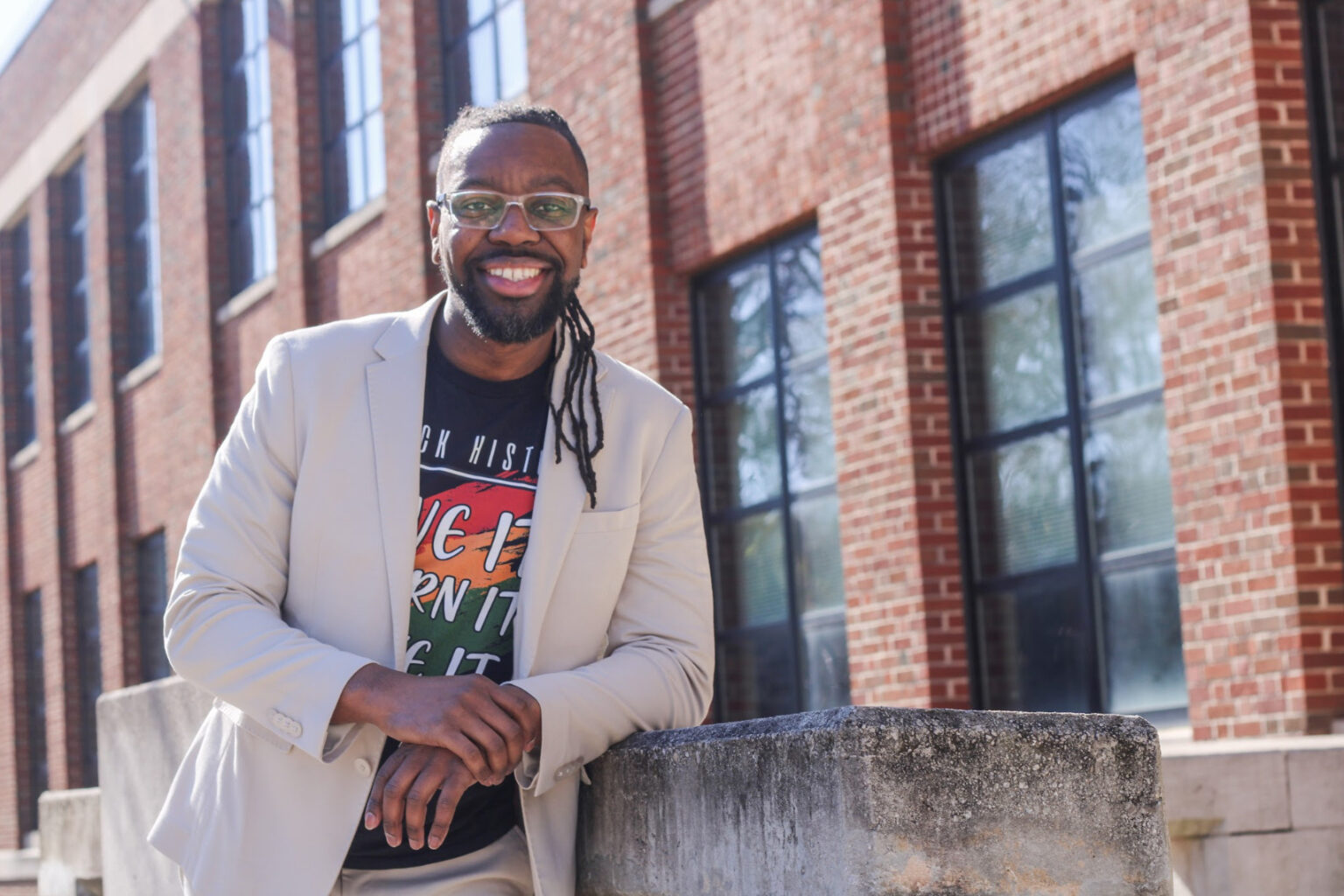
Oglethorpe Avenue Elementary School Principal O’Marr Curry stands near the Clarke Central High School Ceremonial Entrance on Feb. 6. During his three years as principal at OAES, Curry has worked to build a welcoming school environment for both students and staff. “(I prioritize) ensuring that every teacher and any person that’s connected to our students demonstrates passion, making sure that (the) experience our students get is one they love and one that wakes them up in the morning saying, ‘I’m ready to go to school,’” Curry said. Photo by Cooper Jones, story by Charlie Crawford
“I try to be as present as possible in the hallways, in the classrooms, checking on them, asking ‘What do you do outside of school?’ ‘What makes you happy outside of school?’ And then once I start memorizing things about them. ‘Hey, how’s soccer going?’ ‘I know you play football, when’s your game? Checking in on them, asking them, ‘How’s their experience?’ How can we make this school a better place and getting their feedback on the decisions that we’re making.”

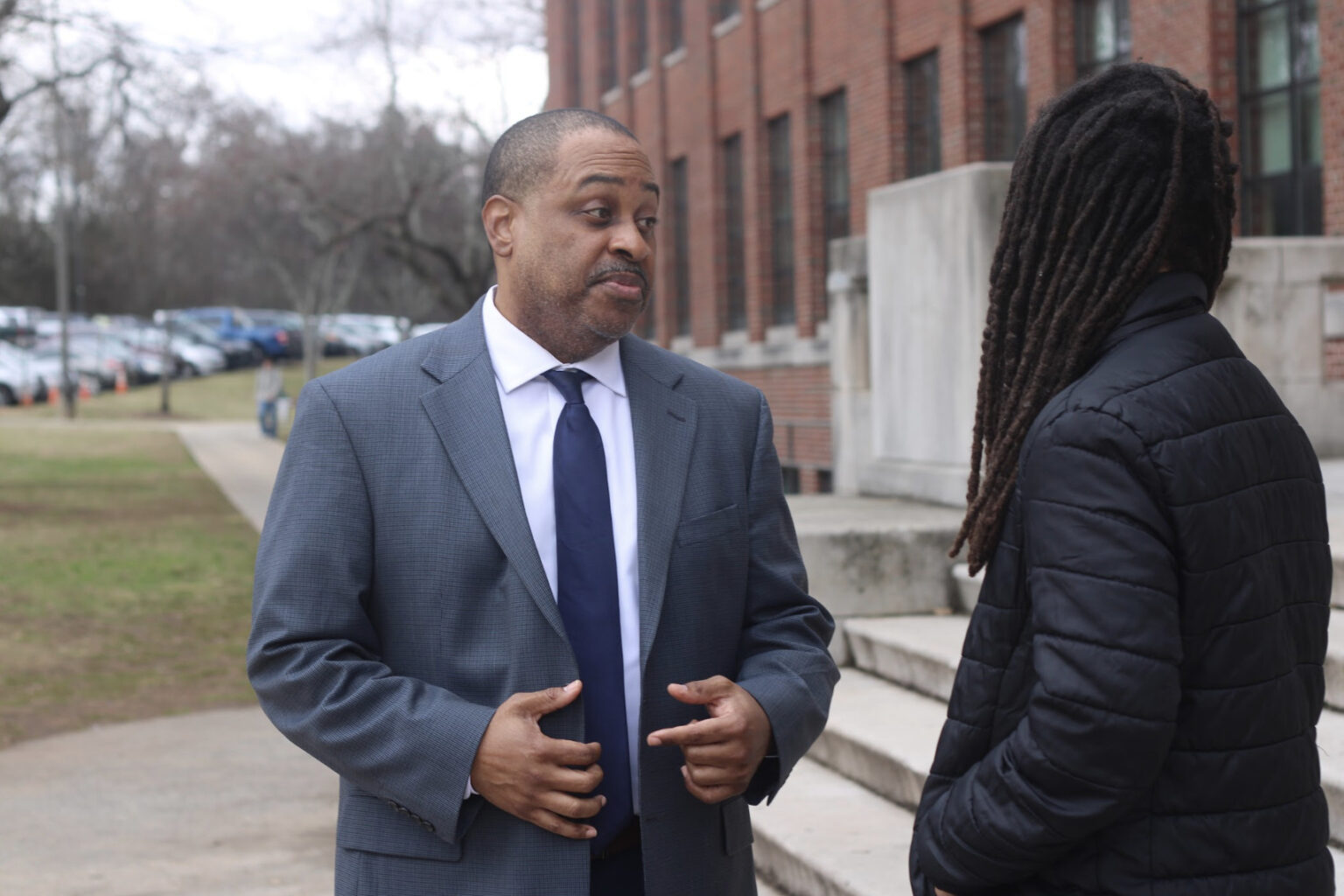
Clarke Central High School Principal Dr. Swade Huff talks to CCHS freshman Jeremiah Hudson in front of the CCHS Ceremonial Entrance on Feb. 18. Huff has served as the CCHS principal since 2018 and has focused on improving school climate and empowering students during his tenure. “What we remember (is) having friends from all walks of life who we still communicate with (after high school),” Huff said. “That’s what resonates in our memories as students here when we bridge these halls, and that’s what we aspire to see for future generations.” Photo Cooper Jones, story by Jack Rumfelt and Lea D’Angelo
“Imagine the impact that we would have if we all stood in solidarity when it happened to anyone, regardless of their race. Whether it’s Trayvon Martin or George Floyd or (Renée Good) or (Haven Pretty), or everybody in between, until we stand united, they’re going to continue to buy and conquer, and so I charge all the young adults to continue to use their voice to call it out when you see it, and don’t let it go.”

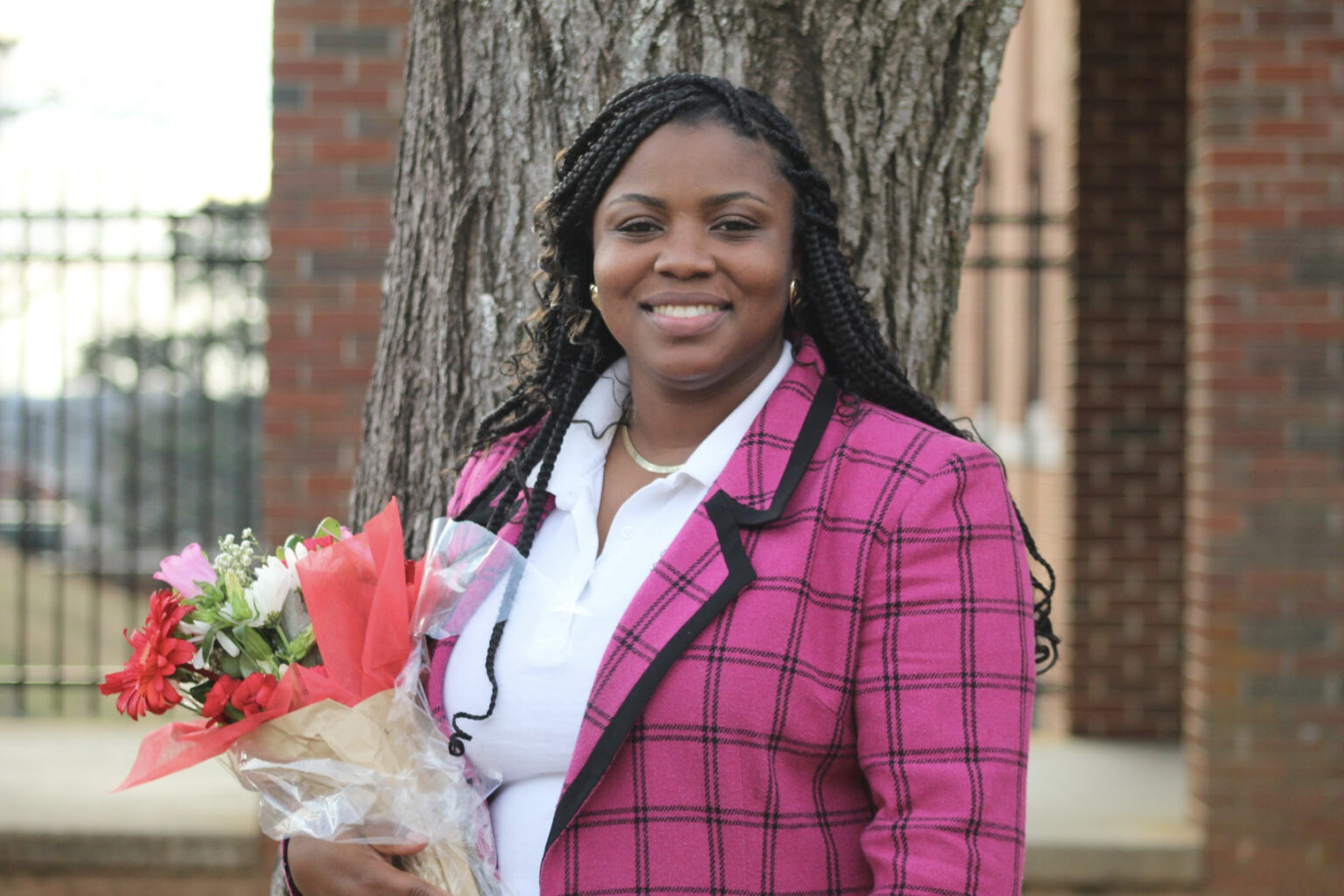
Clarke County School District Learning Center Science Teacher Asia Thomas stands in front of the Clarke Central High School Breezeway on Feb. 10. Thomas founded United Community Outreach, a Christian nonprofit whose purpose was to help those in need and pray for the community, which includes the Mentoring Young Men program. “A lot of young Black men died a couple of years ago, and (that) started the mentorship program and our summer camp called the ‘I Can’ Summer Camp,” Thomas said. “We saw a problem, and we said, ‘Hey, listen, how can we be a part of that solution?’ I think that that’s what I really want people to be: motivated and encouraged. When you see a problem, you can make a difference.” Photo by Maypop Wren, story by Lara Ahmed and Lea D’Angelo
“I teach at an alternative school, (and student) have gone through a lot of things. They are challenged in a lot of different ways. And a lot of them adapt to their culture, they adapt to their environment. And before we can even get to education, sometimes you have to break down different walls and different barriers. We’ve had some of these conversations in the classroom to motivate them that they don’t have to be a product of their environment.”

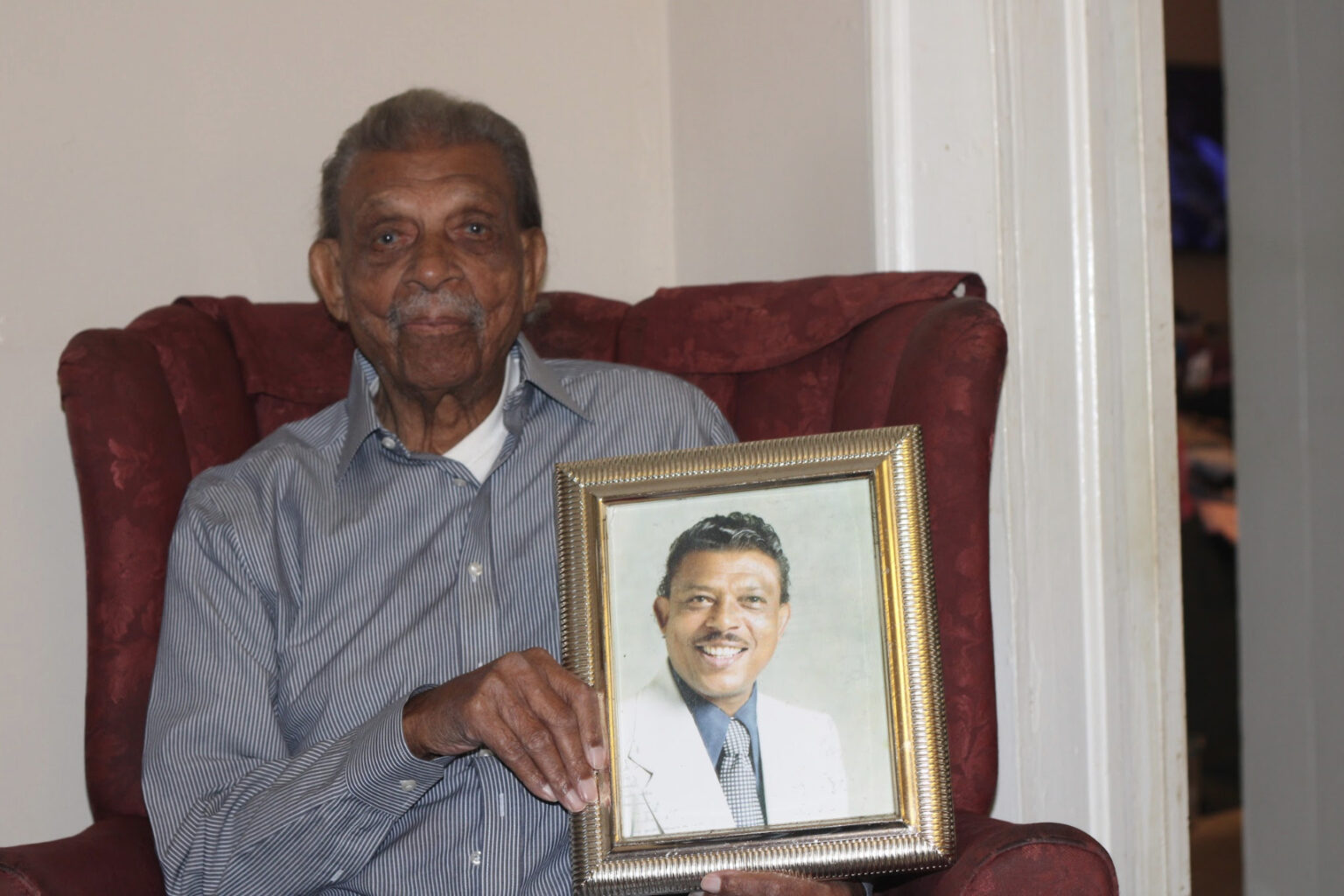
Former West Broad Street Elementary School educator Robert “Skip” Payne sits in his living room holding a picture of his younger self on Feb. 6. Payne, who attended the segregated Athens Industrial High School, witnessed the effects of segregation firsthand. “Black people had to fight to get equal education. When they bought new books, they went to the white kids and we got the old ones,” Payne said. “And as time went on, with a little fight from Black people, we got new books, too, and they got when the whites got new books, we got them, too, but it had to be a struggle” Photo by Cooper Jones, story by Amelia Aldridge and Lea D’Angelo
“What impressed me a great deal was the dedication of the Black teachers, even (though) they weren’t earning much money, and they would buy clothes for those who came and didn’t have adequate clothes, they buy some clothes, or they had fine clothes on. They didn’t only work with the mind. They worked with the (spiritual and) physical needs. They tried to deal with all of the child’s needs.”

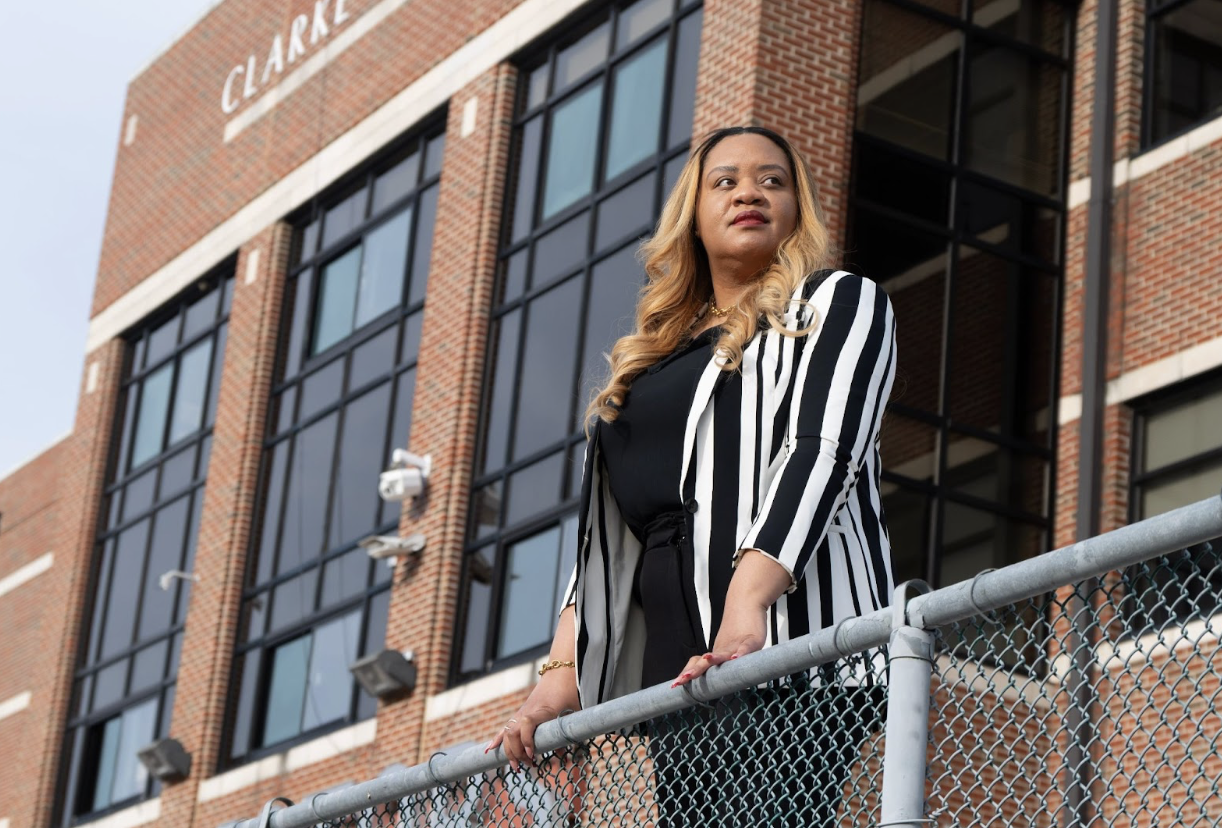
W.R. Coile Middle School Assistant Principal Cindy Tucker stands overlooking Clarke Central High School’s Billy Henderson Stadium on Feb.17. Tucker always enjoyed immersing herself in the celebration of Black culture, a passion she shares with her family. “I love highlighting our history, our past, our present (and) our future. To me, it just makes me feel extra special. During (February), I love celebrating with my family,” Tucker said. Photo by Grady Dunston, story by Valeria Blanco Pirela
“My hard work and determination has helped me get to where I am, and I just look forward to continuing to grow and prosper, and who knows what’s next for me? So, I really don’t feel that I’ve experienced this experience any challenges as a minority, but I do understand that I do sometimes have to work twice as hard to get something that or to achieve something that may be easier for someone else that doesn’t look or sound like me.”

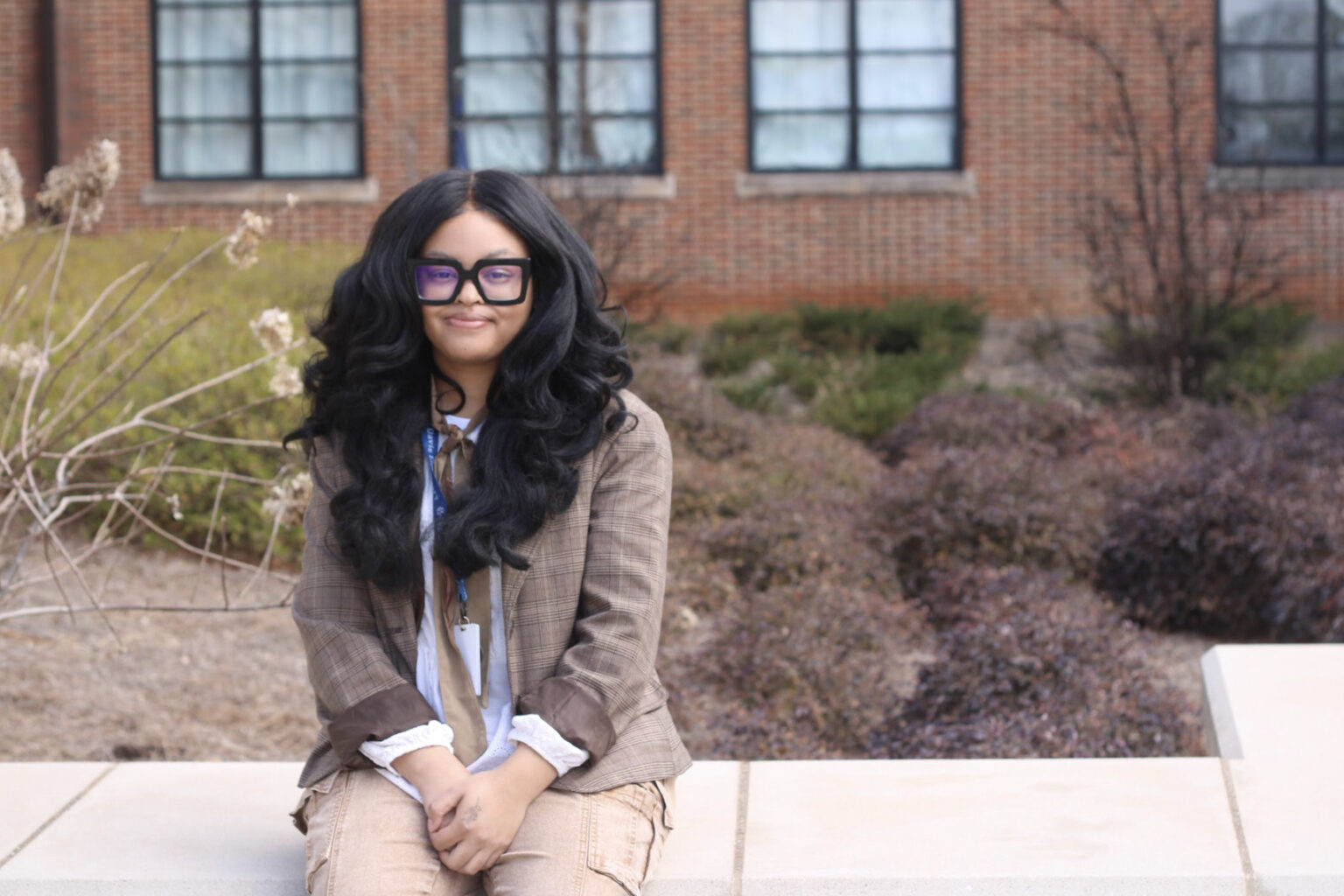
Mikhayla Robinson-Smith, 2024-26 Athens Poet Laureate, sits in the Clarke Central High School Media Center Courtyard on Feb. 11. Robinson-Smith was the second-ever Athens Poet Laureate and began writing poetry at 5-years-old. “The thing that connects all of us (is) our stories. Everyone has a story, whether they feel it’s quiet, loud, small or short,” Robinson-Smith said. “We all have a gift we bring, and all of our gifts are necessary. If you’re not expressing yourself, then you’re not truly living. That’s the importance of self-expression.” Photo by Cooper Jones, story by Maya Pringle
“Right now, when we’re in a time where telling the truth, or telling the truth about ourselves and our stories, when we’re in a time where that is being erased, and we’re in a time where that is being threatened. And I always have seen the role of storytellers, as Nina Simone said, ‘The role of an artist is to reflect the time.’ And I see that the role of storytellers is to reflect the times, but to also to tell the truth and illuminate the stories that are being erased.”

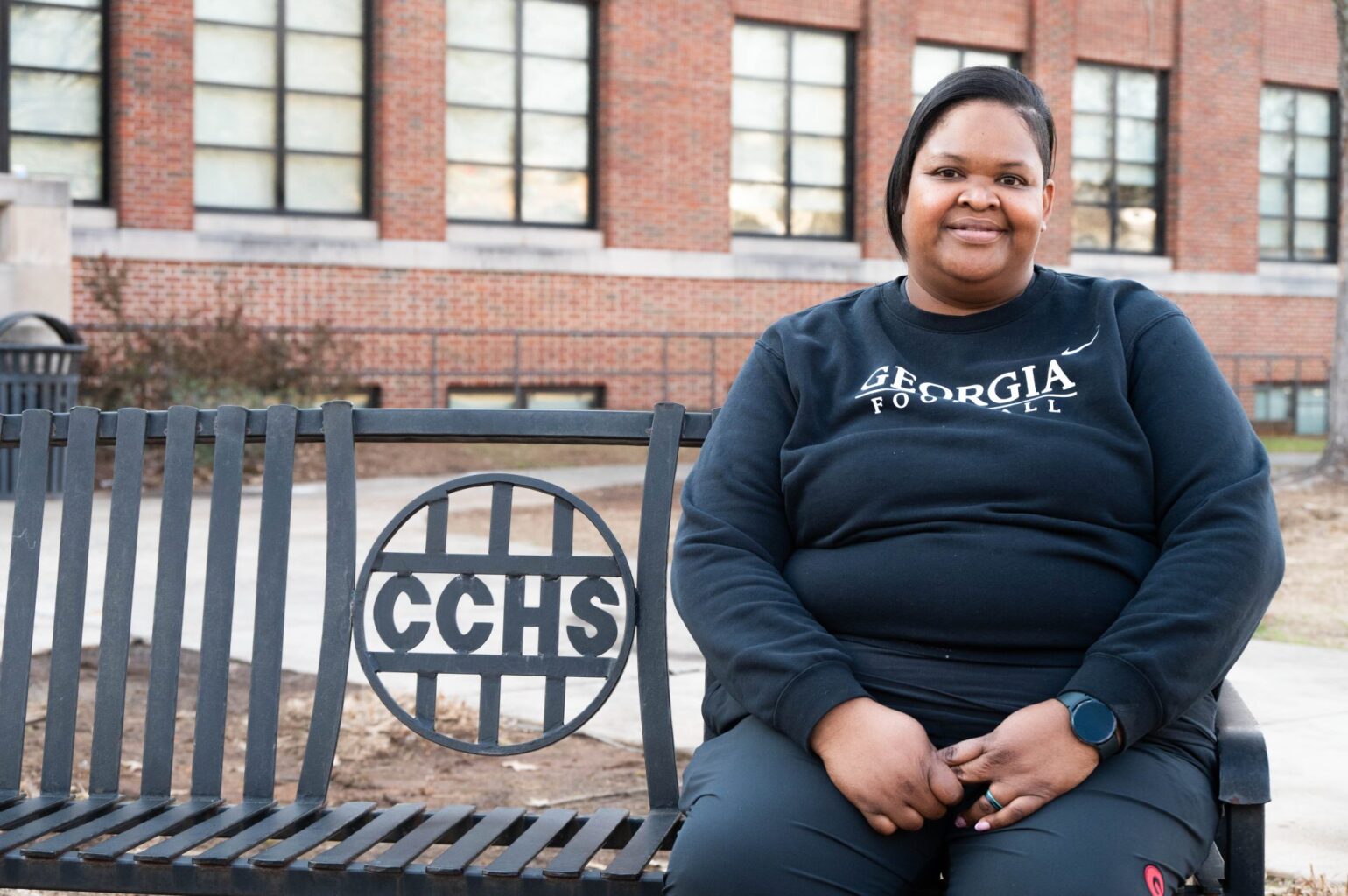
University of Georgia football Head Performance Chef Brandi Allen, a Clarke Central High School Class of 2003 alumna, sits in front of the CCHS Ceremonial Entrance on Feb. 3. Allen has worked for the UGA dining services for over 14 years and was promoted to her current position in June 2025. “In my culinary career, I had a lot of people that offered a lot of guidance and teaching, and I would do anything to give that back,” Allen said. “It is hard work, but you stick to it. You need that backbone to get there, just to stick it out, no matter how hard it gets.” Photo by Grady Dunston, story by Henry Cain and Cooper Jones
“(My grandmother) cooked for sorority houses, she cooked for (the) country club, she professionally cooked, and she also had 10 kids at home. So, homestyle cooking was my foundation of cooking. It was a lot. My mom had me at a young age, so going out to eat, and it just wasn’t an option.”

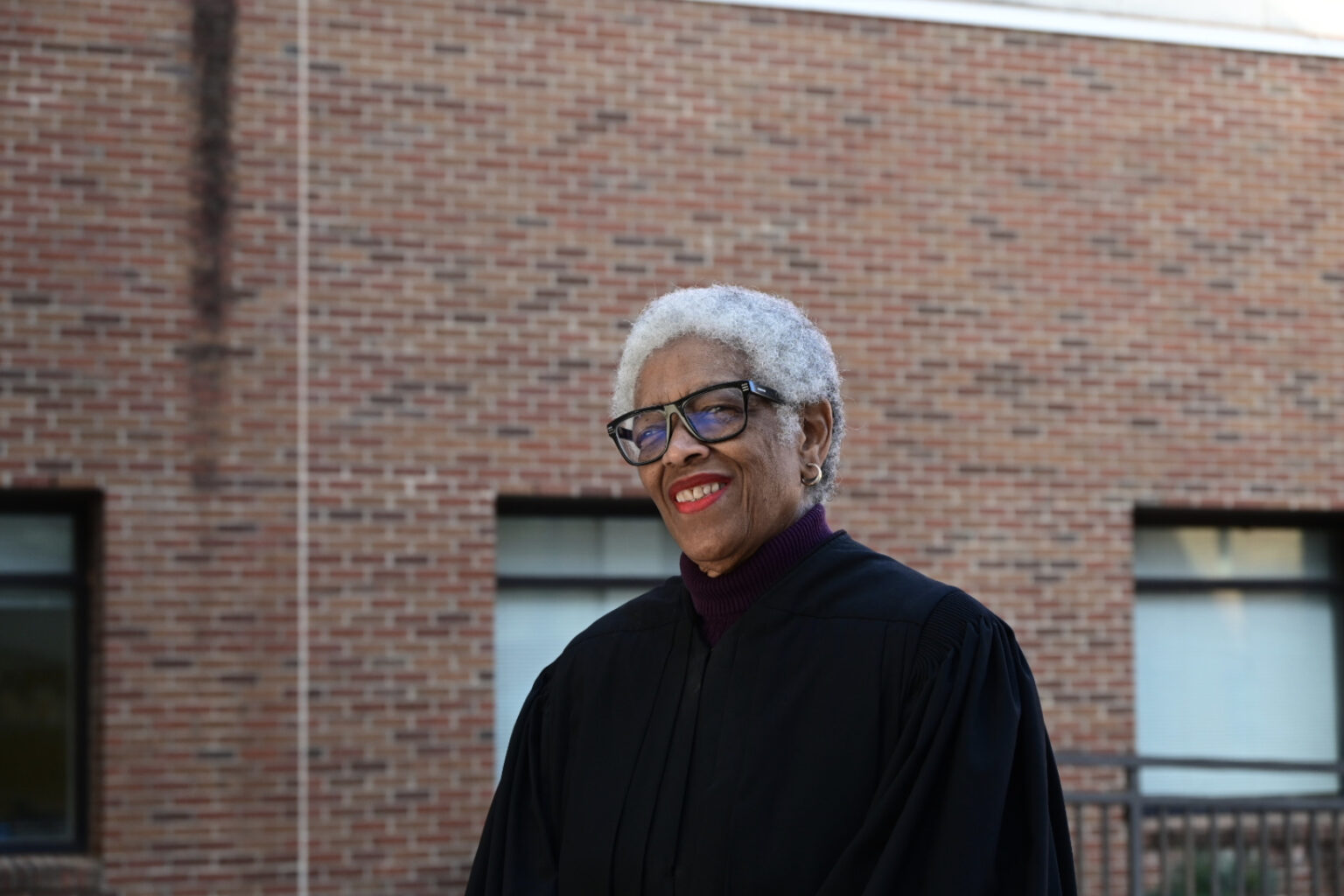
Former Athens-Clarke County Chief Magistrate Court Judge Patricia Barron stands in the Clarke Central High School Media Center Courtyard on Feb. 9. Barron, the first female African American judge in Athens, developed an interest in law from learning about slavery and her experiences with the Civil Rights Movement. “My first hero was Shirley Chisholm, (who’s) the first African American woman in Congress. (It) was around 10th (or) 11th grade when I first recognized who she was and how important it was for her to be in Congress and to give the voice to those people who weren’t able to speak for themselves,” Barron said. “As the second African American judge (in Athens), little kids look up to me because it’s important for them to see people that look like them to achieve such high accolades, but that (recognition is not) something I sought.” Photo by Grady Dunston, story by Olive Forrester, Adah Hamman and Lea D’Angelo
“Success, for me, means doing your very best, being of service to the community, and making sure at all times that you look out for the fellow human being. Because we’re all the same no matter how we look or how we speak.”

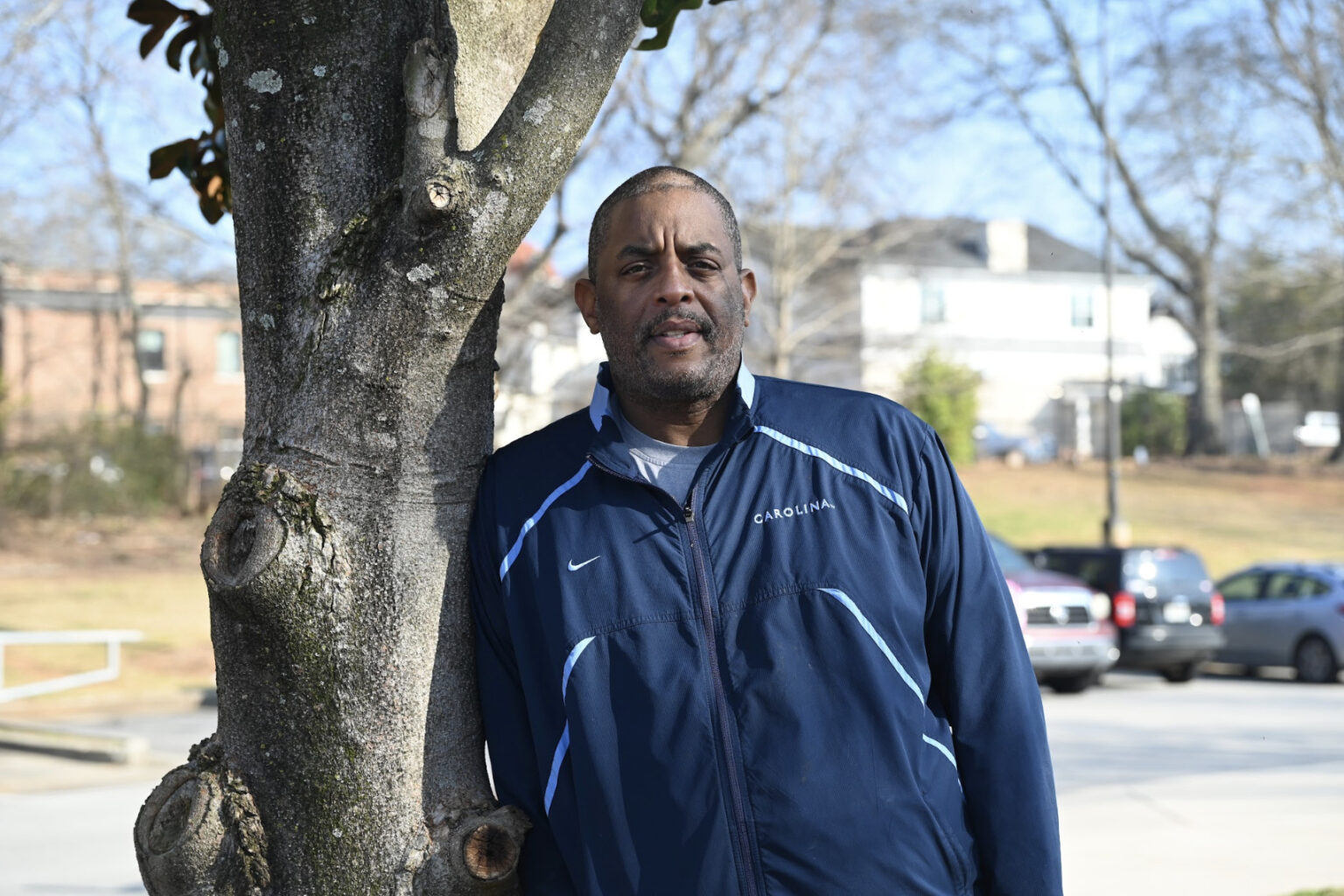
Clarke Central High School head boys varsity basketball head coach Dr. Stefan Smith sits outside of the CCHS Ceremonial Entrance on Feb. 19. Smith, a CCHS Class of 1991 alumnus, was a varsity basketball player under former head varsity basketball coach Billy Wade, who was known for emphasizing the importance of education to his athletes. “ He took us to historically Black colleges when we were coming up. I remember him taking us to (Morris Brown College) and showing us where he played basketball, and he showed us that he coached there and he played there,” Smith said. “When I met Billy Wade, he opened the door to a lot of other schools that were available for African American guys.” Photo by Maypop Wren, story by Maya Pringle and Lea D’Angelo
“I believe, if you’ve been doing it all along and preparing for (a game), when the time arrives, I don’t change or do nothing different. I just come in confident, because at that stage of the game, your team is who they are, and they’re gonna be who they are.”

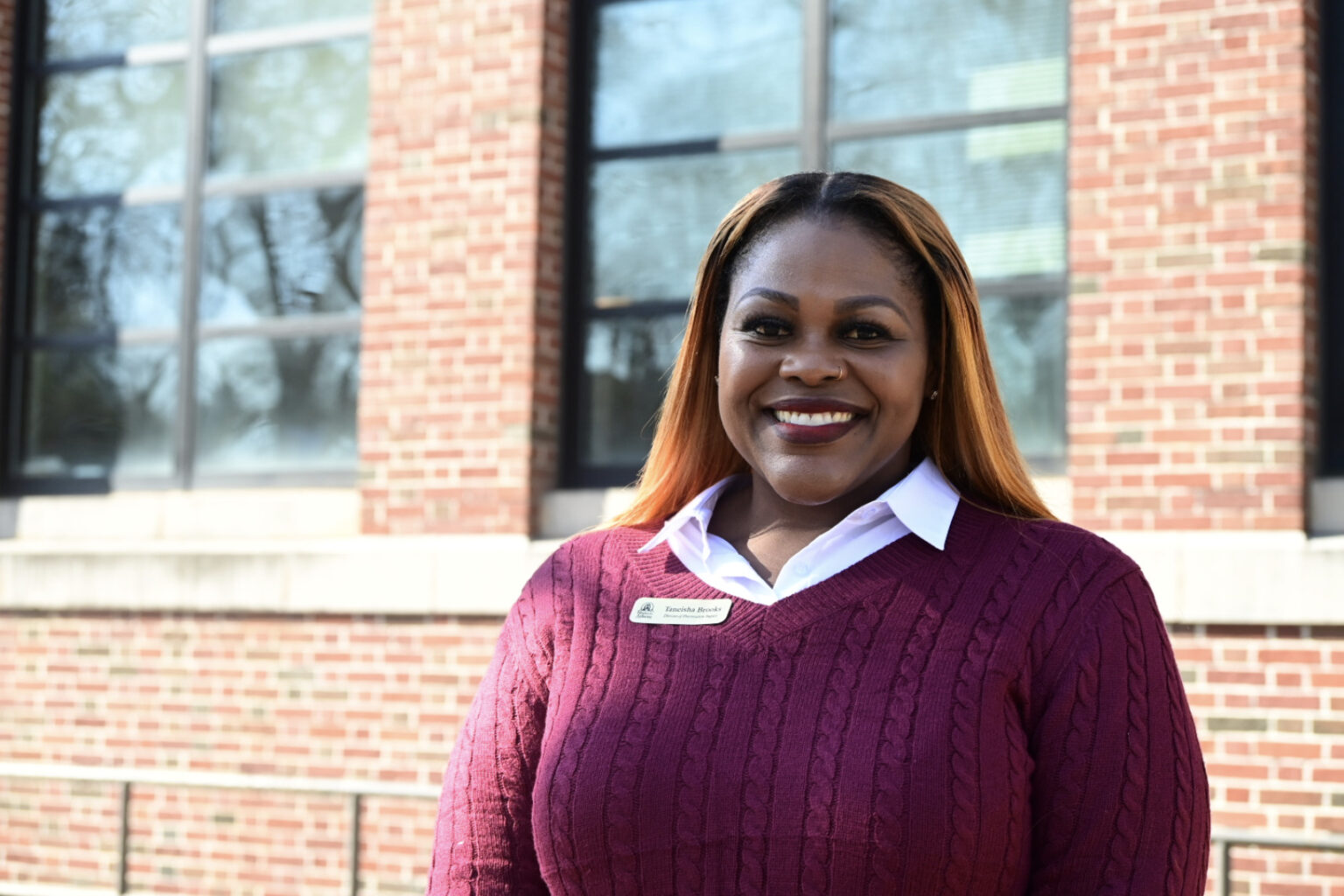
Historic Athens Senior Director of Preservation Impact Taneisha Brooks stands in front of the Clarke Central High School Ceremonial Entrance on Feb. 9. Brooks has worked in the nonprofit sector for nearly 10 years and has led strategic efforts to preserve Athens’ historic homes. “I like being able to make a direct impact on people’s lives,” Brooks said. “(I) like being in spaces, meeting people, networking and exuding service above self. I’m heavy into servant leadership. You can’t lead if you don’t have the capacity to serve.” Photo by Grady Dunston, story by Singer Brinson
“If you’re working for someone and y’all are struggling, whether it’s food service, whatever it is, you’re struggling, and your manager is watching, you’re gonna lose so much respect for them. But if you can get the capacity to come over here and say, ‘I’ll bag your groceries,’ or ‘I can do that for you.’ It’s servant leadership, I’m also serving while being a leader at the same time, and (that’s) very important to me.”

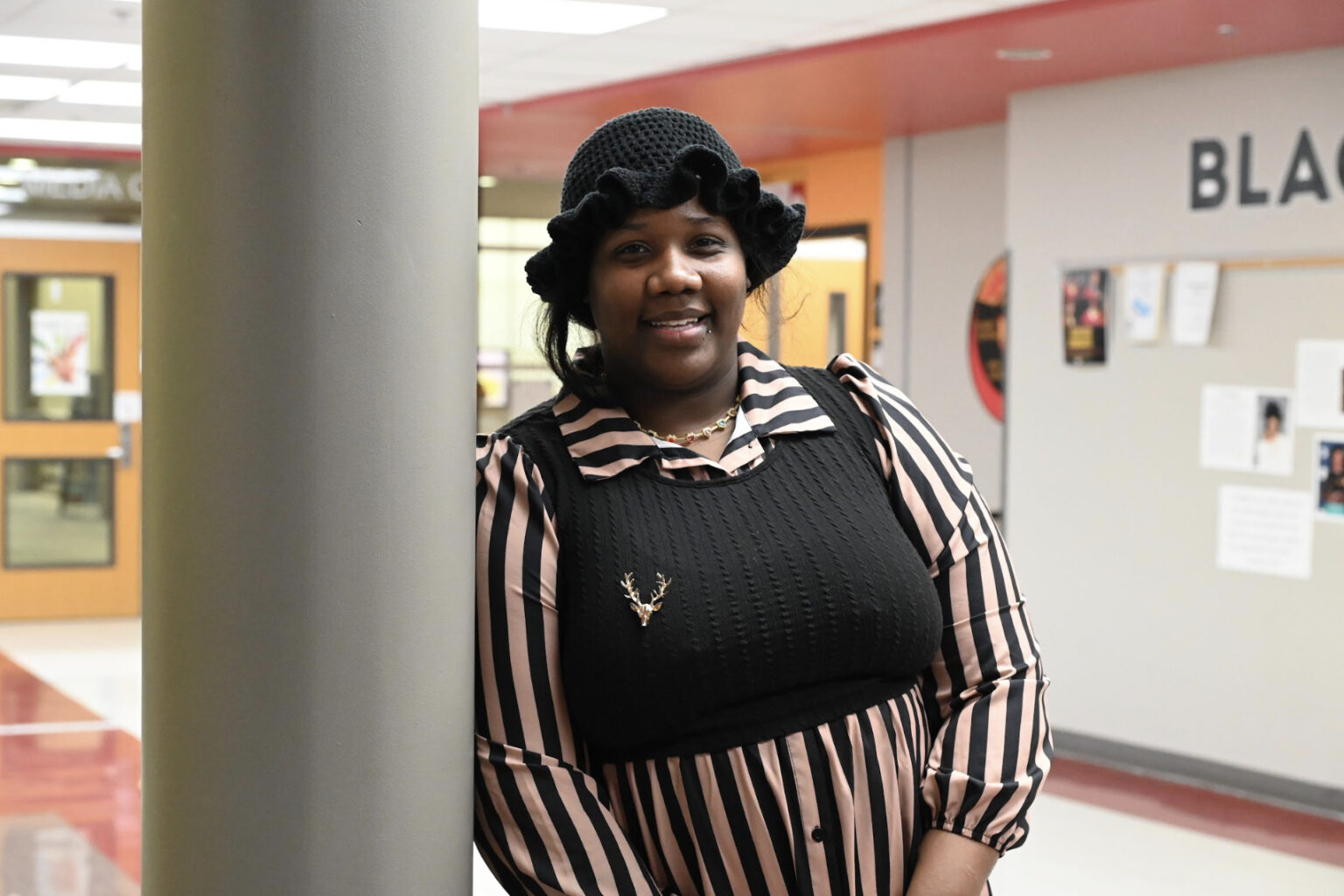
Morgan Jones, the Athens Area Homeless Shelter Bridge to Home Development Specialist, stands outside of the Clarke Central High School Media Center on Feb. 4. Jones helped develop The Bridge to Home program, which has supported families experiencing homelessness with parents pursuing higher education or further skill development. “The goal is for (the program) to be replicable. I would hope that people can do that, because the overall goal of Bridge to Home is for families to be able to stabilize through education, because that’s something nobody can take away from you, your degree in your education,” Jones said. “That usually comes with higher earnings, as well.” Photo by Maypop Wren, story by Renn Borger
“I’ve seen kids that have been tightly wound because they have the uncertainty of where they’re going to sleep at night, if they’re going to be here, if they’re going to be with a family member or they’ve been sleeping in their car. And then you can see, parents, their shoulders are relaxing. You can hear the laughter of kids on one of our newly built playgrounds that we have (at Arch Village). It’s tough, and now that I’m a mom, I can’t imagine not having a space for me and my baby to go. So I’m empathetic to their needs. I want to be supportive in anything it is that they need.”
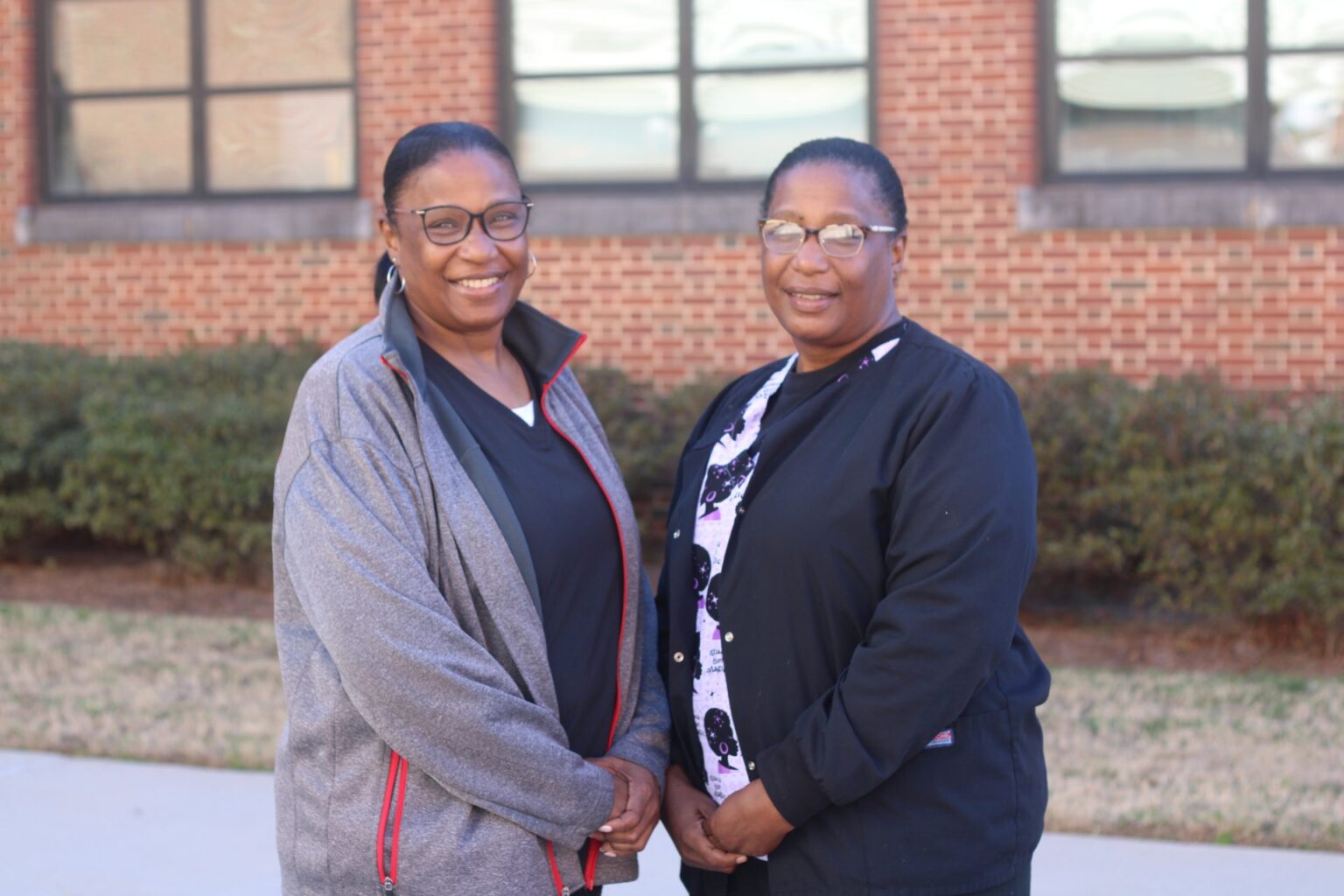
True Comfort Care Homes co-founders and twin sisters Sharon Barnett (left) and Sheila Hill (right) stand in the Clarke Central High School Media Center Courtyard on Feb. 11. During their time at True Comfort, which provides long-term inpatient mental health care in both Athens-Clarke and Madison County for people aged 18 to 65, Hill and Barnett have committed themselves to helping patients make progress. “You move toward getting (patients) the right help that they need, and you see (their) progress,” Hill said. “When the person probably didn’t even know how to tie their shoes, but now they do, (or) when the person didn’t know how to make their bed, but now they do, that (lets) me know (our) work is not in vain.” Photo by Cooper Jones, story by Violet Dockery
“My grandma said, ‘One day, you’re gonna own your own care home.’ We were probably about nine or 10 at the time. I’m like, ‘For real, Grandma?’ And she was like, ‘Yeah.’ So, what I did was, I used to go back and ask, ‘Grandma, when I get this care home, what am I supposed to name it?’ She said, ‘True Comfort.’ I wrote it down as a little girl. I wrote it down and I put it in a Bible and today, 25 years later, we own True Comfort.”

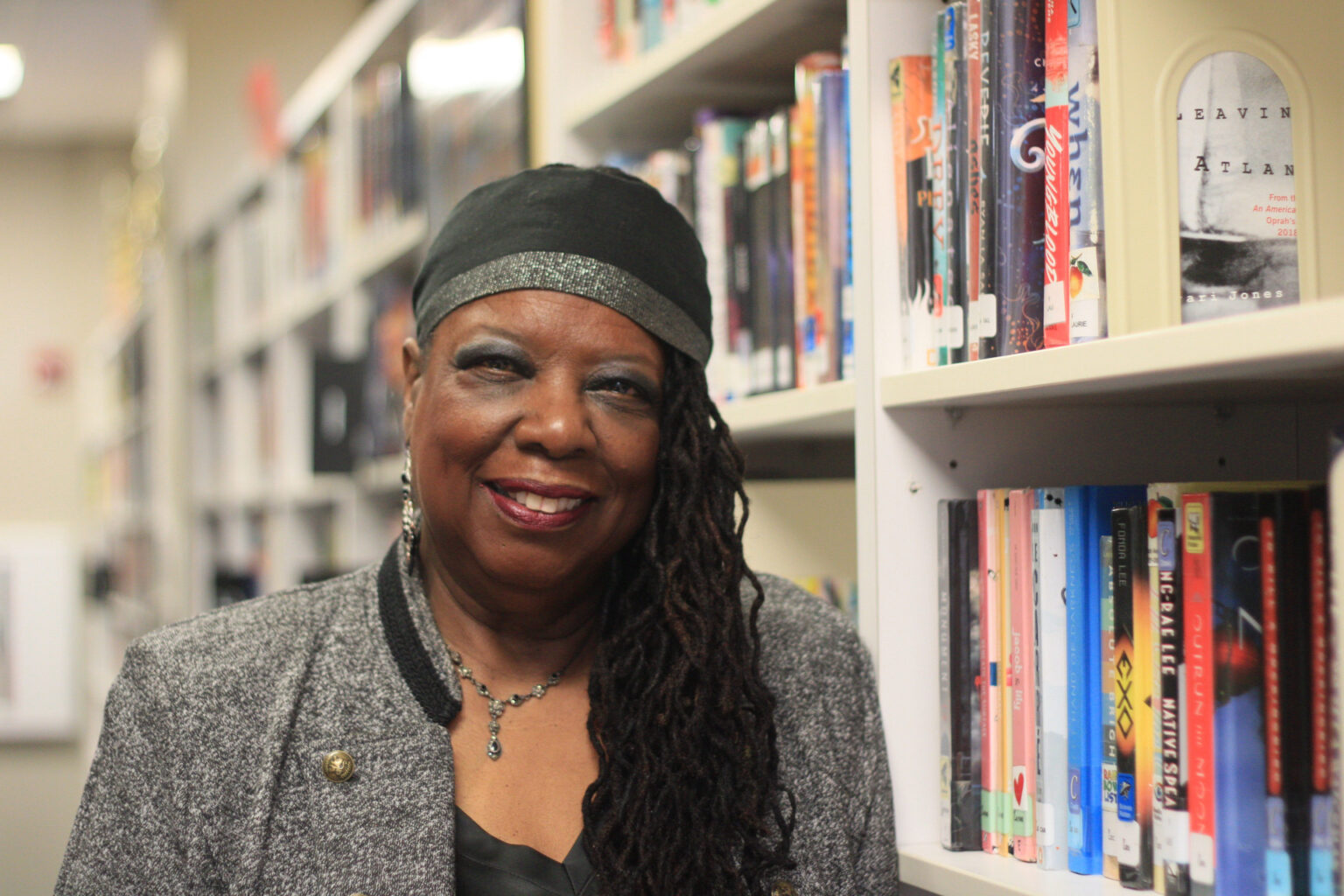
Clarke County School District Mentorship Program Coordinator Spring Turner stands in the Clarke Central HIgh School Media Center on Feb. 4. Allen originally found passion for the mentorship program, which has aimed to provide mentors for CCSD students since 1991, as a mentor herself. “I wish people would really realize how much the program can impact the child,” Turner said. “Just showing up for somebody really makes a difference, because you don’t know how many kids who don’t have people that show up for them, and how many kids come to class with all kinds of battles.” Photo by Grady Dunston, story by Henry Cain
“I’ve always loved serving students, helping students, and I think it’s because I didn’t feel like I had someone to help me navigate college. I had to really figure things out on my own and read a lot of books. Now, you guys have so many resources, and it’s great. It’s really no excuse, because everything’s there.”

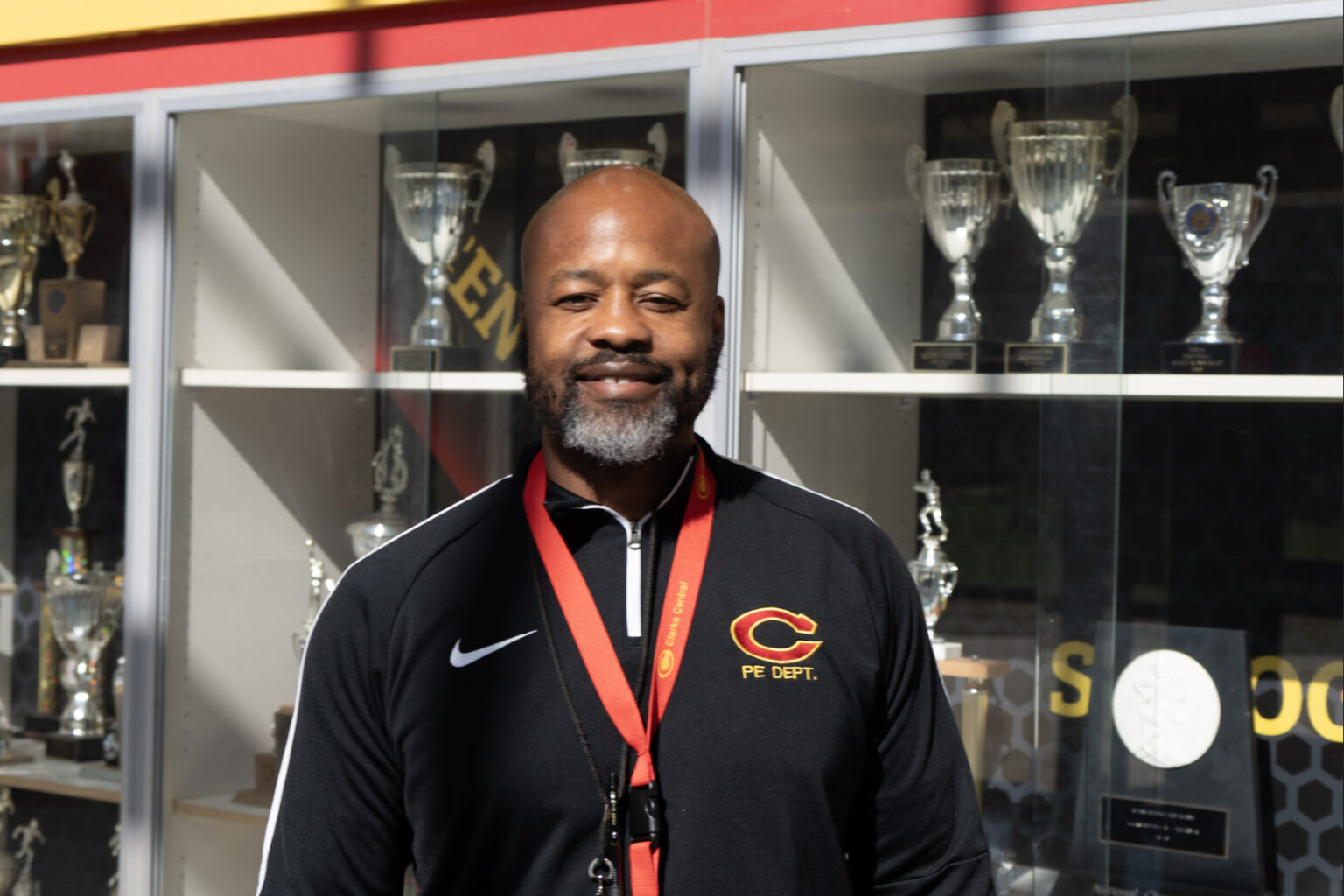
Clarke Central High School physical education department teacher and varsity football offensive coordinator Damien Gary stands in the CCHS Competition Gym on Feb. 17. After playing football at CCHS, the University of Georgia, coaching at two colleges and later returning to CCHS in 2019 as an educator, Gary has worked to guide students and players.“I hope my impact is long-lasting, not just from on the field, but those life lessons that they can take off the field: the hard work (and) the discipline,” Gary said. “Because, whatever sport they’re playing, it’s going to end one day, but I think the life lessons will carry them throughout their life.” Photo by Grady Dunston, story by Oscar Malec
“Holding (players) accountable, showing them what that looks like, by not letting them cut corners and just by giving them tough love. It may be hard now. They may disagree or may not like it then, but, I think once they get out of high school, I’ve had so many come back and be like, ‘Thank you for being tough on me or for making me do it that way.’

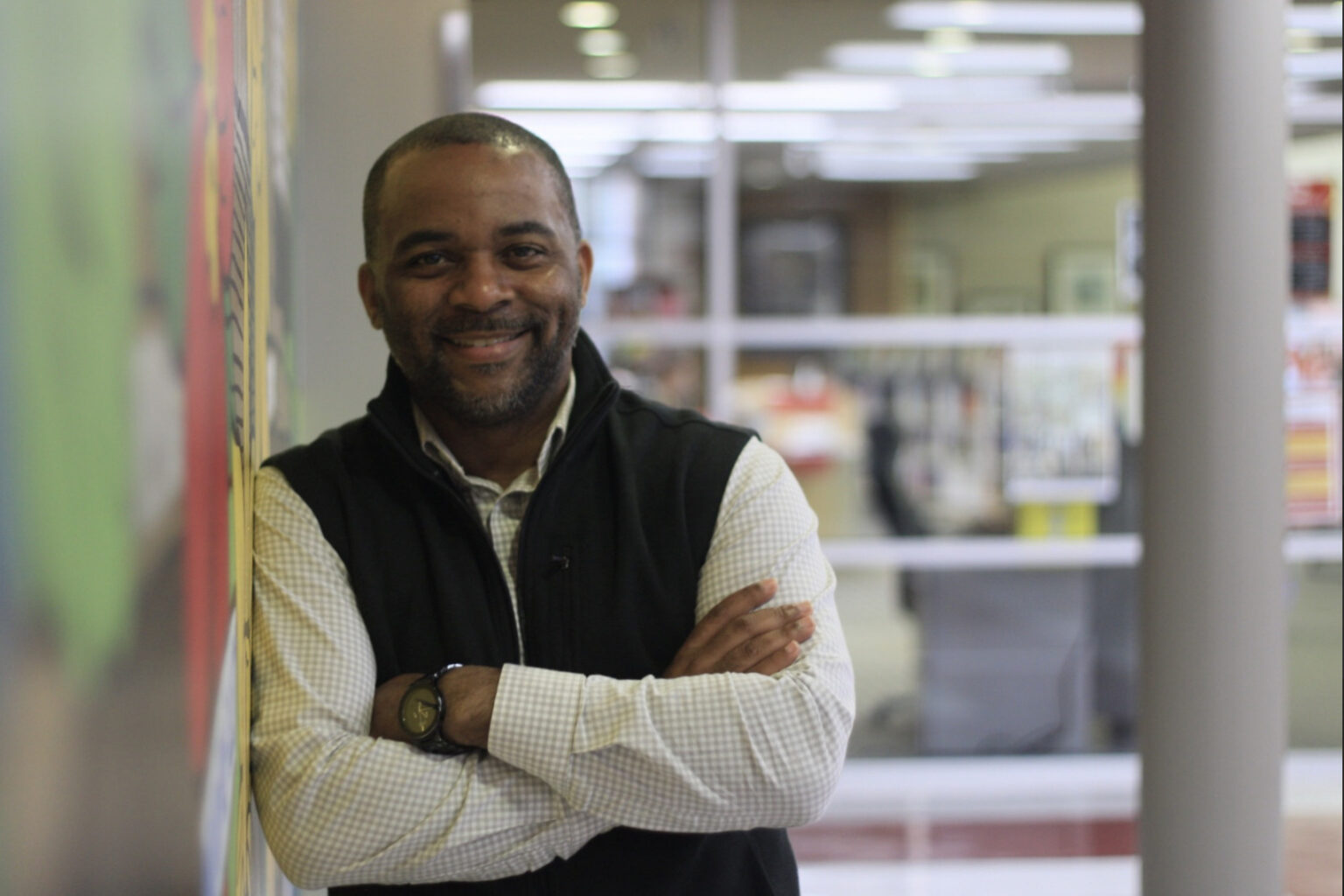
Athens Area Chamber of Commerce Career Navigator and Workforce Development Organizer Billy Honor poses outside of the Clarke Central High School Media Center on Feb. 4. In his role, Honor has focused on working with those struggling to find employment, such as former inmates and immigrants. “(In) vulnerable communities, folks who have felt historically disenfranchised and left out of the process, I’ve helped them to find ways to create change,” Honor said. “It’s helping people to find opportunities and systems that sometimes seem like they’ve been shut out in the workforce, whether it be returning citizens, (or) people with criminal records, or maybe it might be single parents who have kids and it’s hard for them to get to work.” Photo by Grady Dunston, story by Lara Ahmed and Lea D’Angelo
“For a long time, probably two decades, I’ve worked to help people to build power across the South, and what that means (to me) is vulnerable communities, folks who have felt historically disenfranchised and left out of the process. I’ve helped them to find ways to create change.”

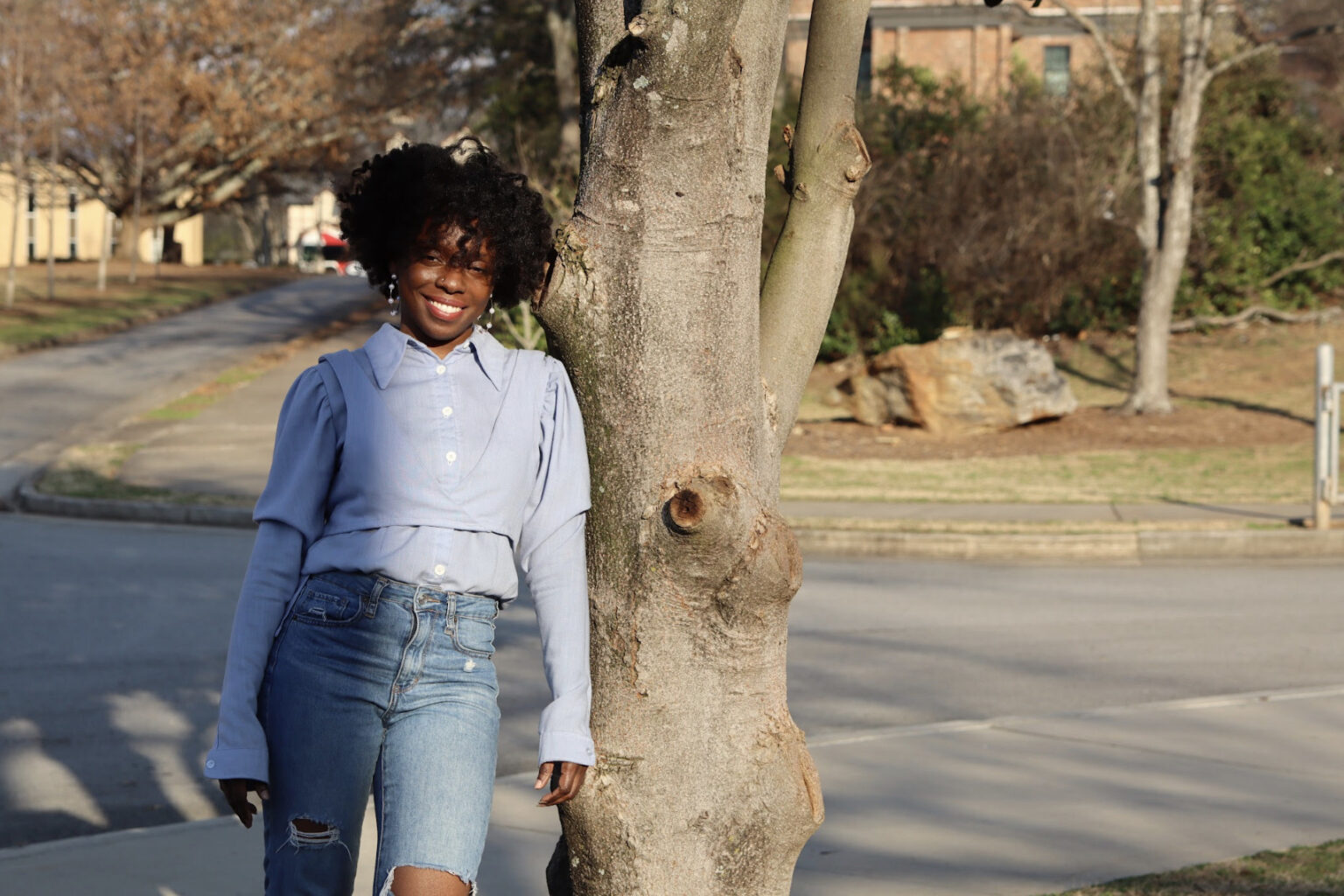
Local Fashion Designer Tabitha Fielteau stands near the Clarke Central High School Ceremonial Entrance on Feb. 19. Fielteau taught herself how to design from a young age, and has drawn inspiration from designs of the mid-20th century and applied those elements to her work. “African American women that were in the ‘40s and ‘50s, they had to hold (elegance), even with all the resilience they had to go through, and adversity (they faced), but they were still beautiful. I think that was something I always wanted to capture, (that) it was beautiful even if there’s adversity,” Fitelteau said. “Even if there (are) things going on that you had no control over, you still can hold yourself in such a way where it’s being elegant, it’s being beautiful.” Photo by Kye Streetman, story by Singer Brinson and Lea D’Angelo
“When you are buying quality products, no matter the brand, it’s gonna be something that’s lasting, that is made with love, care (and) attention to detail. I feel like you owe that, especially as a designer, I want people to know that you’re investing in me, (but) I’m also investing into you. I want to make sure it’s well made, it’s high quality. It is something that you can be proud of (and) you keep it in your closet for years to come and you still feel good about the purchase.”

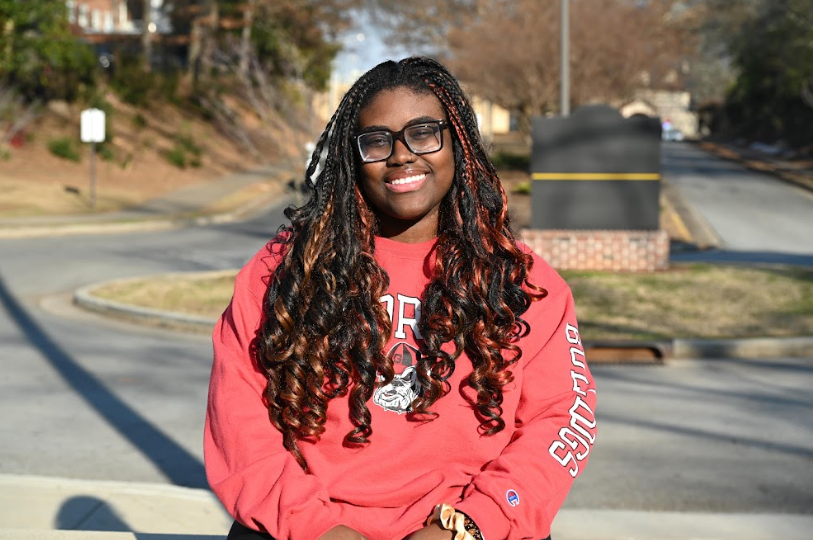
Economic Justice Coalition Executive Director Aissatou Sabara poses in front of the Clarke Central High School Ceremonial Entrance on Feb. 3. In June 2025, Sabara took her current job at the EJC, an Athens nonprofit organization that promotes economic equity and worker empowerment. “Every day that I’ve worked in this position, I’ve met so many people from different backgrounds, and they still get up every day and see Athens as home, and they want to make it better,” Sabara said. “I think that having that kind of background (and) being the support system of your community makes Athens a great place.” Photo by Maypop Wren, story by Olivia Trimble
“I think anything that you do with work, you should always strive to have more growth in the environment that you’re in. I’m truly grateful for where I’m at right now. I work with a lot of great people, and honestly, every week is different, no matter what kind of trouble the organization finds itself in trying to fix things for people, it’s a great experience.”

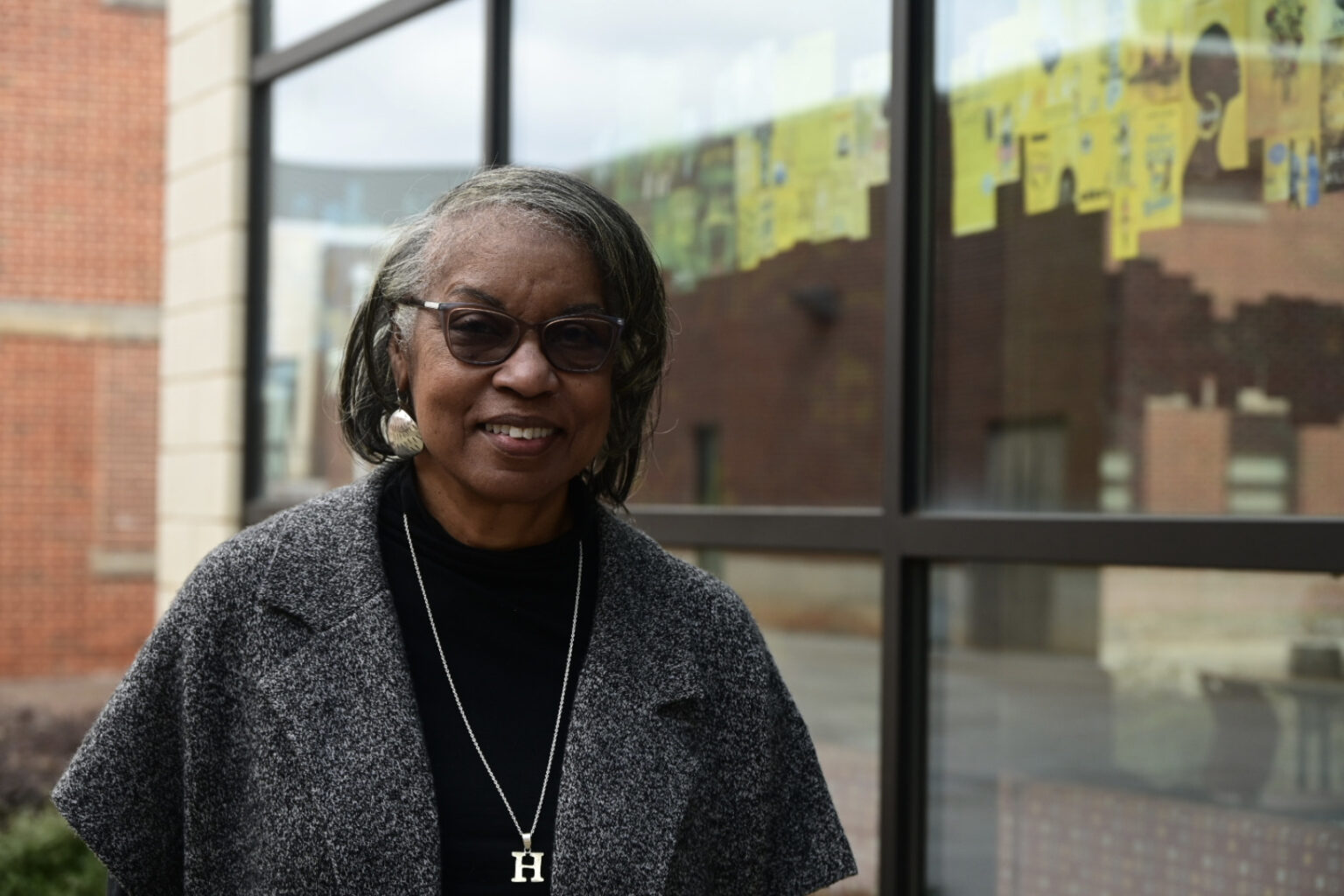
Hattie Thomas Whithead, an Athens community member, activist, playwright, author and former Linnentown resident, stands in the Clarke Central High School Media Center Courtyard on Feb. 11. Thomas Whitehead has used various platforms to draw attention to Linnentown, a predominantly Black community off Baxter Street, which was torn down for an expansion of the University of Georgia’s dormitories in 1962.“ Before integration, the adults (in the community) took extra care to make sure they taught us how to be safe. We did have students riding by (and) throwing things at us,” Thomas Whitehead said. “But, we were happy (in Linnentown). We had to endure all of the digging, the burning down of houses, (had) to deal with the smoke all day and night and the pushing over (of) homes.” Photo by Grady Dunston, story by Olive Forrester
“I was very involved early on as a child in trying to integrate Athens and then trying to, when I went home in the evenings, learning about what happened in Linnentown. So, I was jailed at 14 years of age, but I had a commitment to do what I could do to make a difference as a young child. And that’s the difference that I made, because I, in my heart and my mind, this country was on the wrong side of history, and we had to get to the other side.”

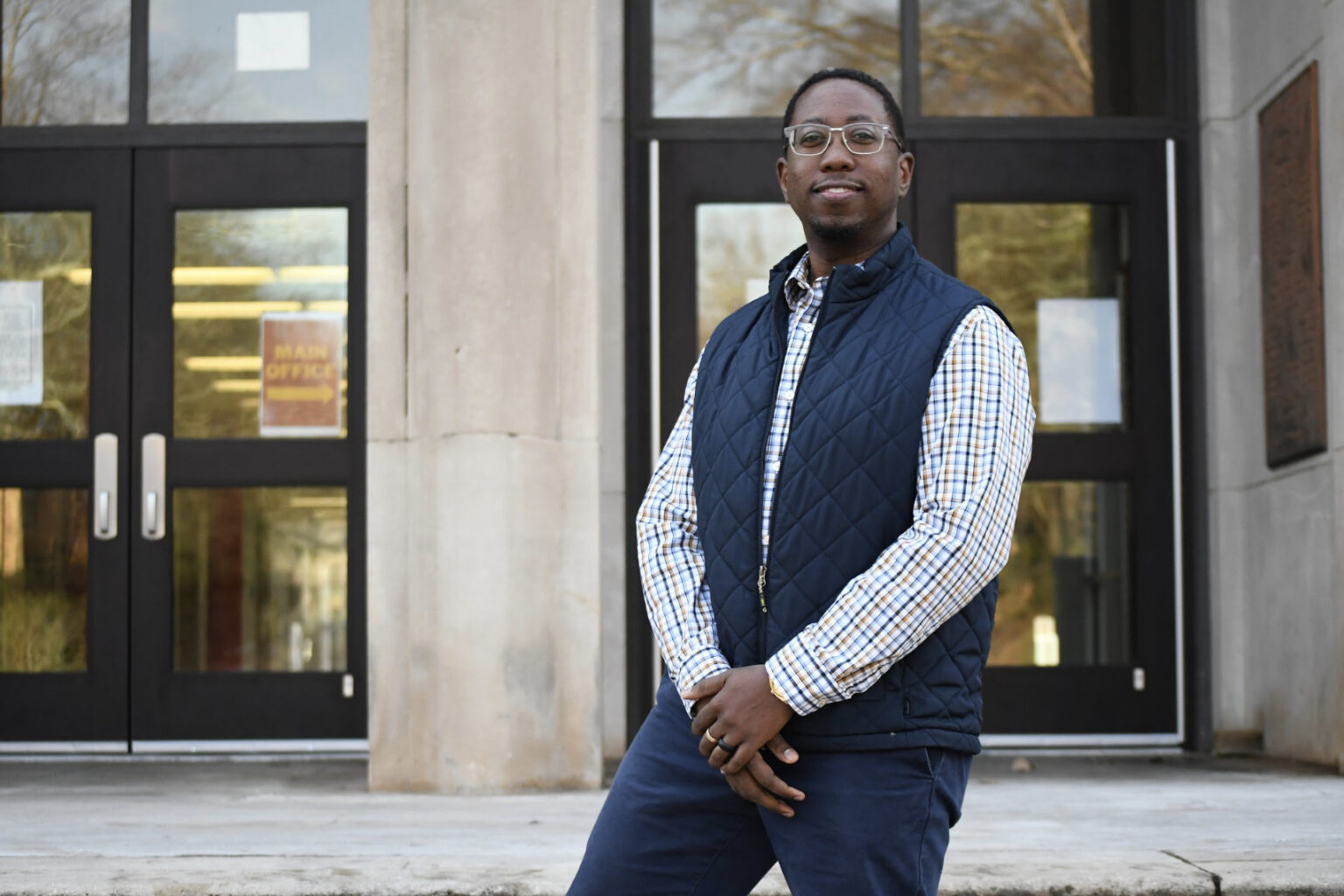
Athens Mercy Health Center Director of Behavioral Health and Wellness Bradford Coleman stands in front of the Clarke Central High School Ceremonial Entrance on Feb 3. During his time at MHC, which provides healthcare at a reduced rate based on financial needs, Coleman has focused on patient care. “I especially enjoy helping people who perhaps couldn’t afford the services. That gives me a lot of purpose,” Coleman said. “It’s really important that, regardless of where people are, regardless of what they’ve been through (or) how much money they have, that they’re connected to their dignity and worth.” Photo by Miriam Silk, story by Charlie Crawford
“Being here at Clarke Central, I had some really positive experiences, but also had a lot of negative experiences in ‘99 and the early 2000s and so I learned kind of about bullying. I experienced what it means to be excluded. I think I have reworked some of those experiences and memories, and those empower me now to care for others, to be empathetic and understanding to students who do not like school.”

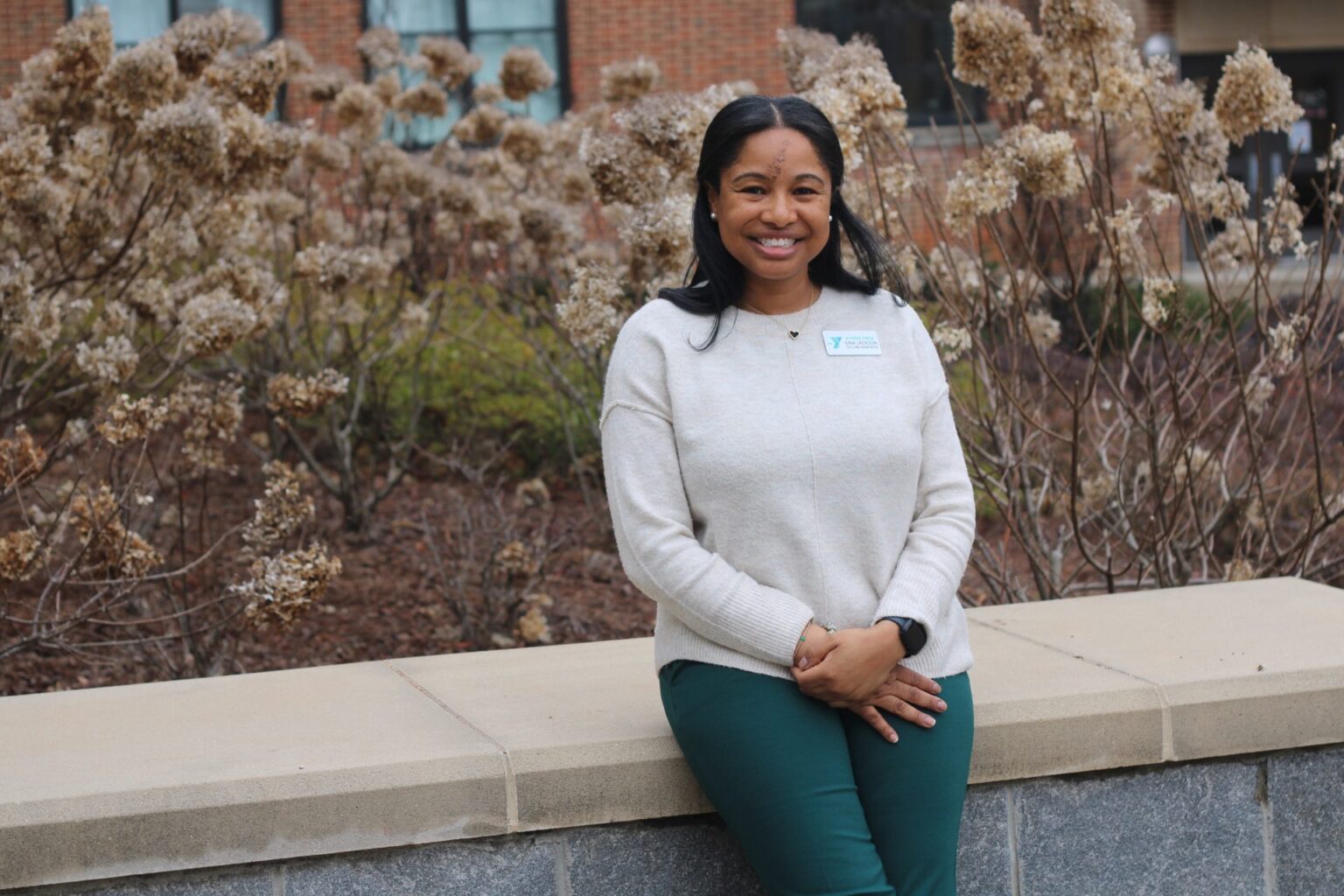
Athens YMCA Youth and Family Program Director Gina Jackson sits in the Clarke Central High School Media Center Courtyard on Feb. 5. Jackson made history by becoming the first Black Athens YMCA Youth and Family Program director in 2014. “It wasn’t my skin color that got me (the job). It was hard work (and) dedication,” Jackson said. “My parents have educated me that if you work hard, you put your best foot forward. If you go against the grain, make sure it’s the right way, even when people may think you’re wrong.” Photo by Cooper Jones, story by Valeria Blanco Pirela
“There’s a common, most popular phrase that Black history is every day, every year, every hour, and so I definitely agree with that. For myself, I have a personal connection with (it), my mark in Black history is being the first black director of the Athens YMCA. I did not realize that that was going to even happen during my times of being a counselor or working as an art coach.”

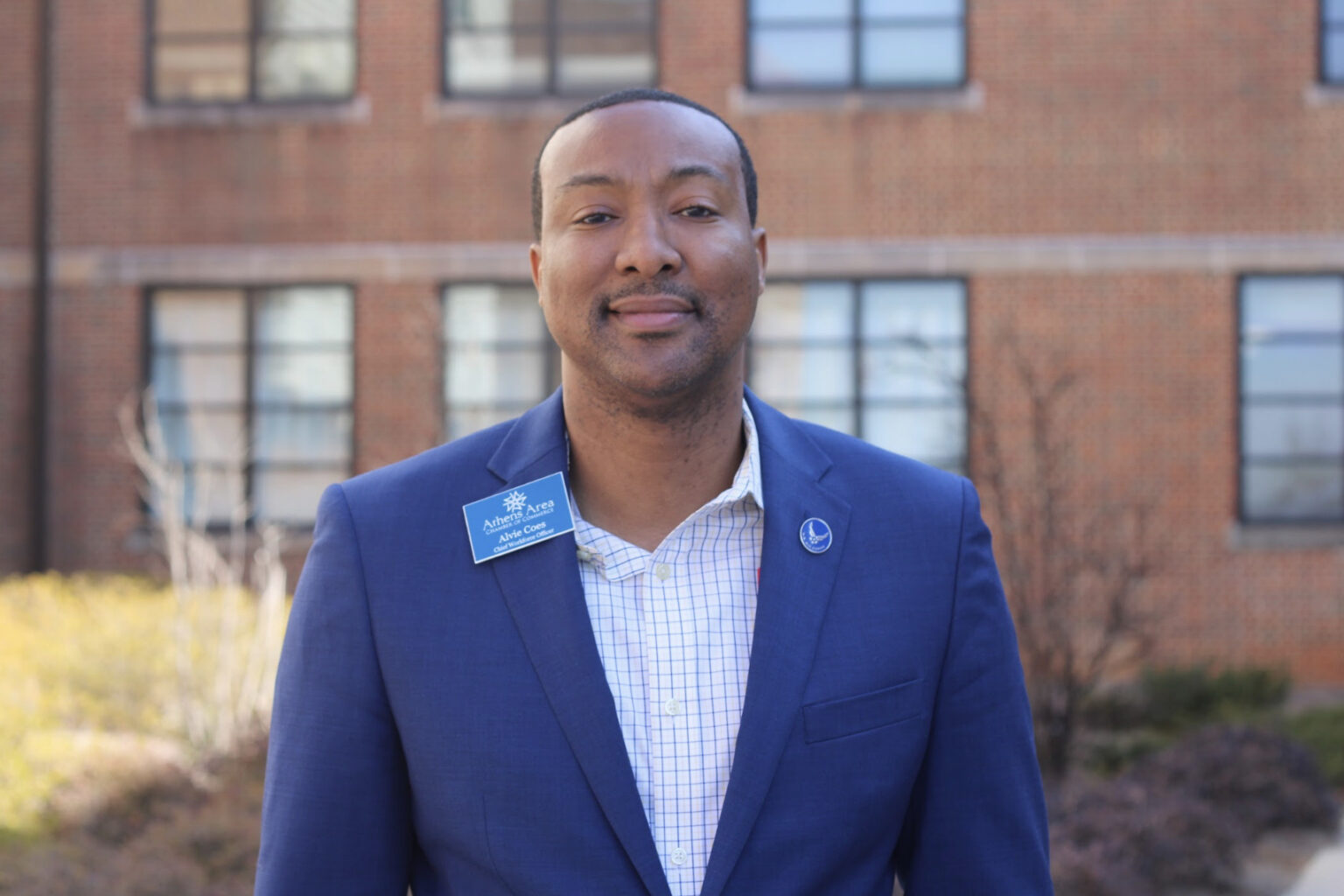
Athens Area Chamber of Commerce Chief Workforce Officer Dr. Alvie Coes III stands in the Clarke Central High School Media Center Courtyard on Feb. 10. In addition to his work for the AACC, Coes has served in the Air Force Reserve and co-owned a funeral home, and emphasized the importance of taking advantage of opportunities. “What’s important is not knowing what you want to do is just as important as knowing what you want to do. And you don’t figure that out unless you try things and get those experiences,” Coes said. I often tell high school students, (and) even freshmen in college, ‘Try it all. Try different things and figure out what you don’t want to do, as well.” Photo by Cooper Jones, story by Jack Rumfelt and Lea D’Angelo
“Be open. You all are coming up in a time where you have access to so much information at your fingertips, and so when I was younger, we didn’t. It was starting to come in, but it was still not as readily available as it is now. So, just taking advantage of all the information that’s out there to learn more about the different opportunities.”
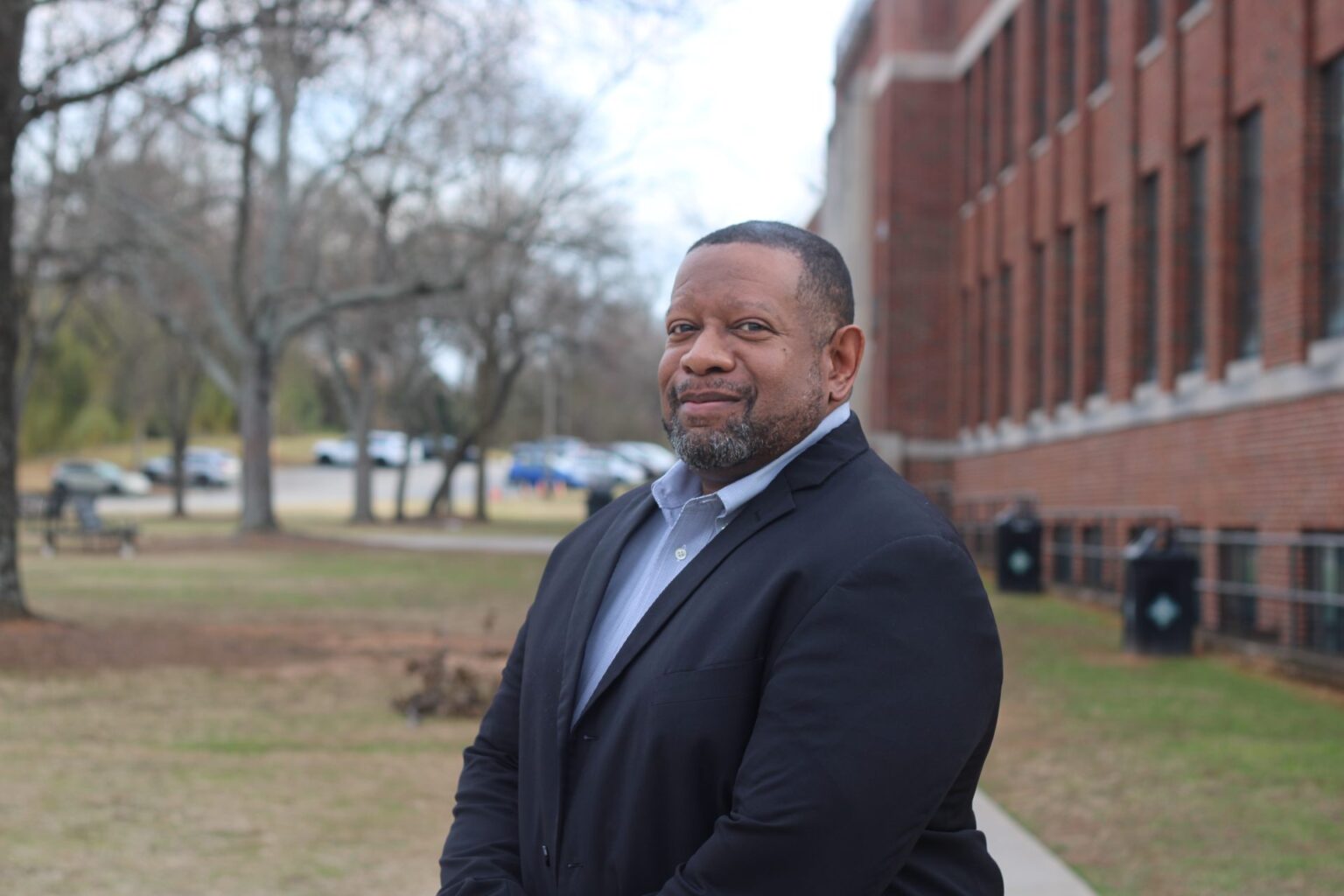
Downtown Ministries Executive Director Antonio “Tony” Derricotte stands in front of the Clarke Central High School Ceremonial Entrance on Feb. 10. The ministry, which Derricotte joined on July 1, 2024, has a mission of sustaining young people in the community by helping them out of poverty. “Downtown Ministries (asks), ‘How can we embrace these children and be able to bring them into something different so they can get out of the area they’re in?’” Derricotte said. “Ultimately, we try to provide services where we can raise up the next generation of godly leaders, whether they’re short and tall or if they’re trying to figure a way out.” Photo by Cooper Jones, story by Henry Cain and Cooper Jones
“If (Downtown Ministries) can plant seeds, help fertilize (and) nurture, to where people can not only realize that we all deserve a right to be able to have a stake in this community, then it will turn into even a better community. We still have a lot of issues that we need to address in this community, but just talking about it’s not enough. Actions speak a lot louder than words, and so we’re just trying to be change makers any way we can.”

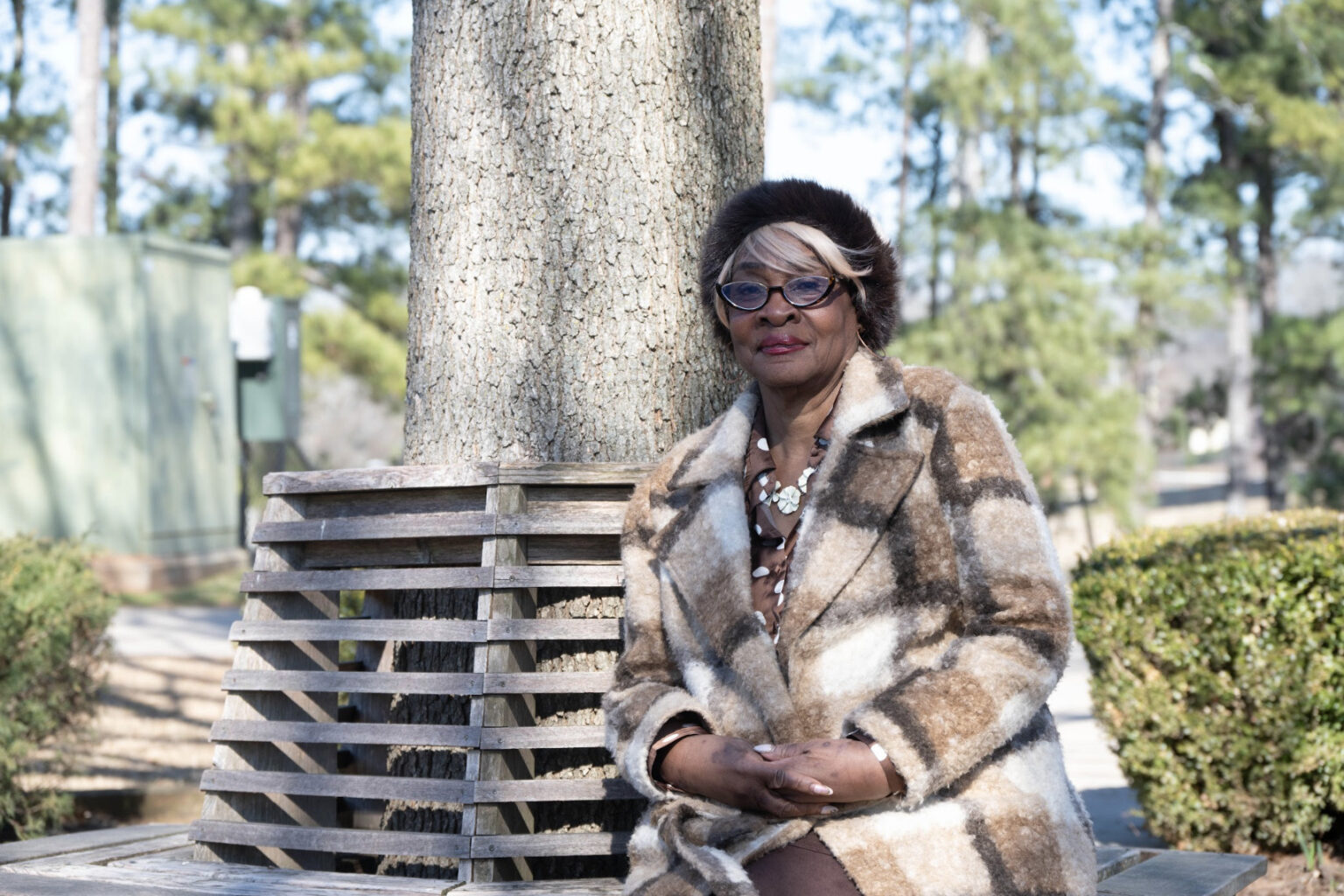
Athens-Clarke County District Nine Commissioner Ovita Thornton sits in the Clarke Central High School Eve Carson Memorial Garden on Feb. 6. Thornton has worked as a commissioner since 2019 after serving on the Clarke County School District Board of Education for 16 years, and is currently focusing her efforts on affordable housing as part of the Georgia Initiative on Affordable Housing. “Our zoning policies have not been changed since 1999 and the things that really separated Black people (and people) of color from other folk is in zoning. So, we have an amazing team, and we did our presentation before the Commission in January. We are now taking that presentation on the road,” Thornton said. “We’re hoping to go to organizations and agencies, just to be objective, educating people on how zoning is very discriminatory and has not been revisited or reviewed or changed since 1999.” Photo by Grady Dunston, story by Renn Borger and Lea D’Angelo
“Infrastructure is something that the average citizen doesn’t think about. You know, the average citizen goes to work, take care of their kids. They don’t realize about potholes and streets, about the pipes that maintain our streets.”

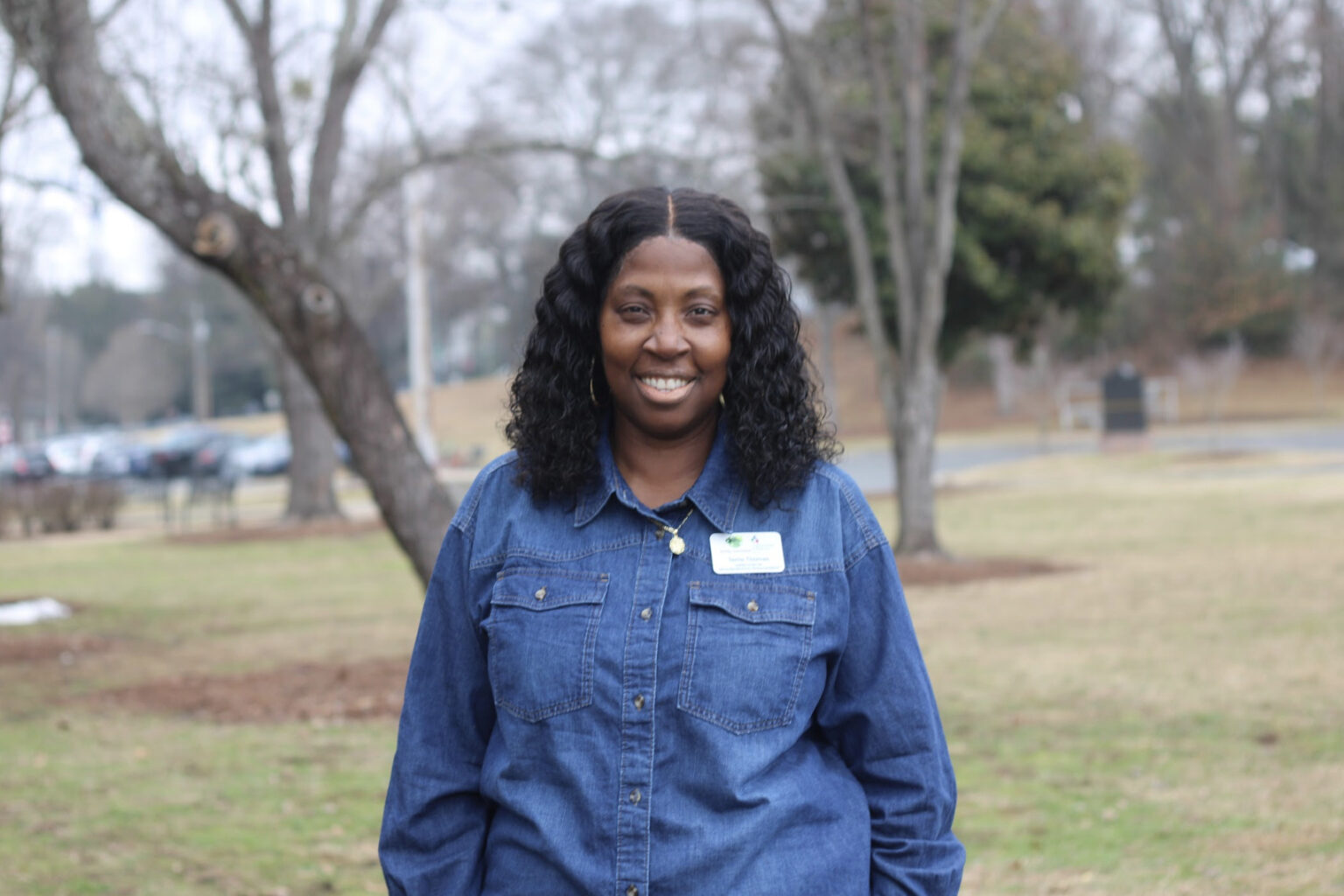
Terris Thomas, Director of Neighborhood Engagement with the Family Connection-Communities in Schools of Athens, stands near the Clarke Central High School Ceremonial Entrance on Feb. 5. Thomas was raised by their aunt and uncle in Monticello, Fl., and learned the value of hard work from their uncle, who was the first Black business owner in their town. “He provided for his aunt and his cousin and his siblings. He was the oldest sibling. He left school in eighth grade to help his parents raise his siblings and take care of them. So, excellence was just that. It was capacity building,” Thomas said. “(Black excellence) is a confidence, not just in who I am today, but a confidence in our history, confidence in what (our) ancestors (gave) us. It’s connecting with that and living it out, and then passing it on.” Photo by Cooper Jones, story by Oscar Malec and Lea D’Angelo
“Black excellence is just like excellence that flows from individuals who are black and brown, I am equal, and some days I’m more than equal. I am worthy of opportunity. That excellence is because of who I am, not just my skin, but because of brain power, heart, motivation, all of those energies. I deserve space to let my excellence shine.”

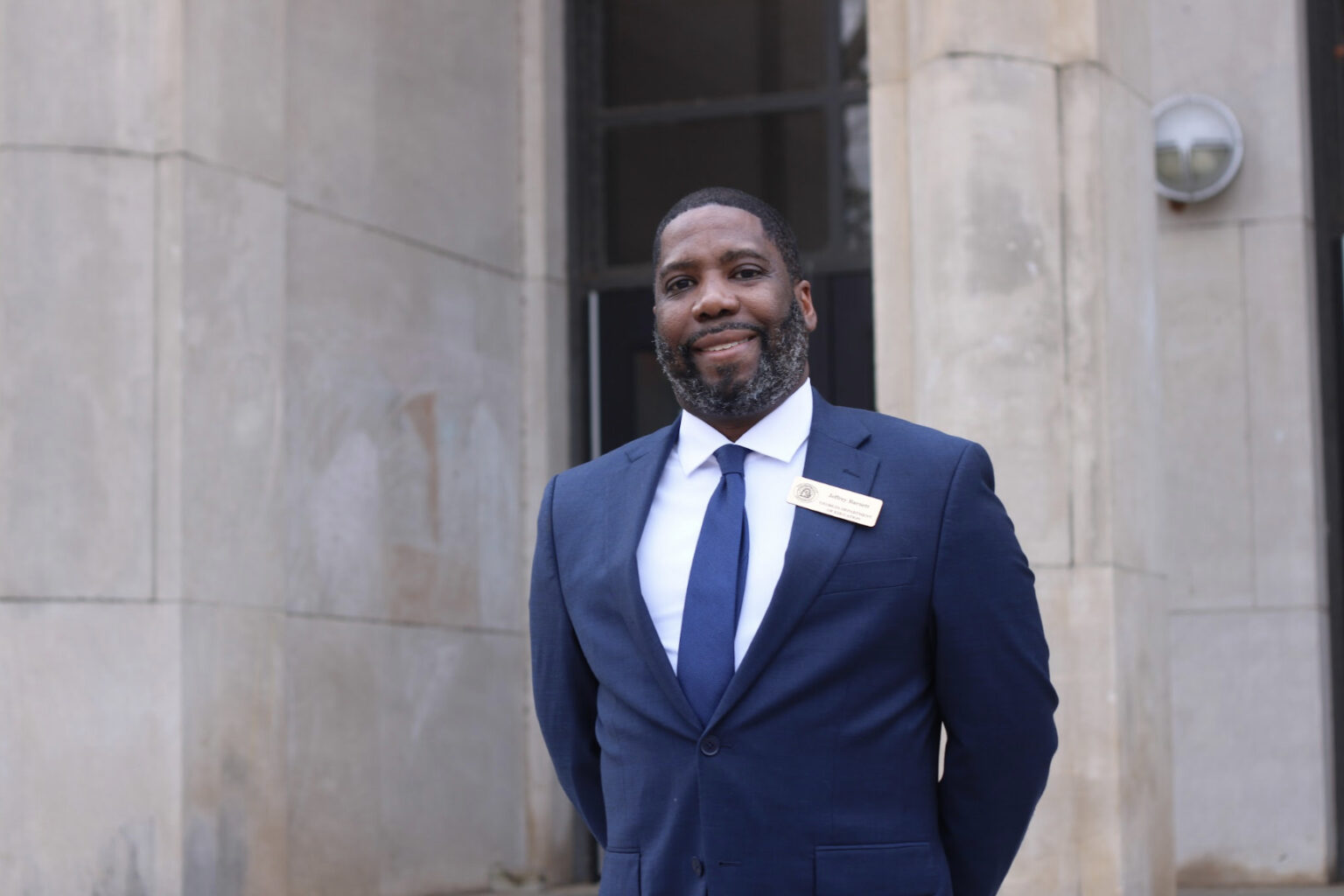
Jeffery Barnett, program manager for the Nita M. Lowy 21st Century Community Learning Centers program with the Georgia Department of Education, stands in front of the Clarke Central High School Ceremonial Entrance on Feb. 5. While teaching was not his original goal for a career, Barnett worked at Clarke Central High School from 1996 to 2015, and found a passion for it. “I’m still teaching, I’m just teaching adults. Being able to instill (confidence in) new program directors (is the most important part of my job). I’ve been able to go out to all parts of the state, and it’s a different world,” Barnett said. “If you go to some of the rural districts, the technology is not the same, (and) I (have) realized how fortunate some districts are.” Photo by Cooper Jones, story by Amelia Aldridge
“Some students took (my art) class because they loved art. Some students took it (because) they were seniors and needed something as to do as an elective. It was just trying to get every student that I talked to, not necessarily love, but appreciate art, and just getting them to work to their fullest potential.”

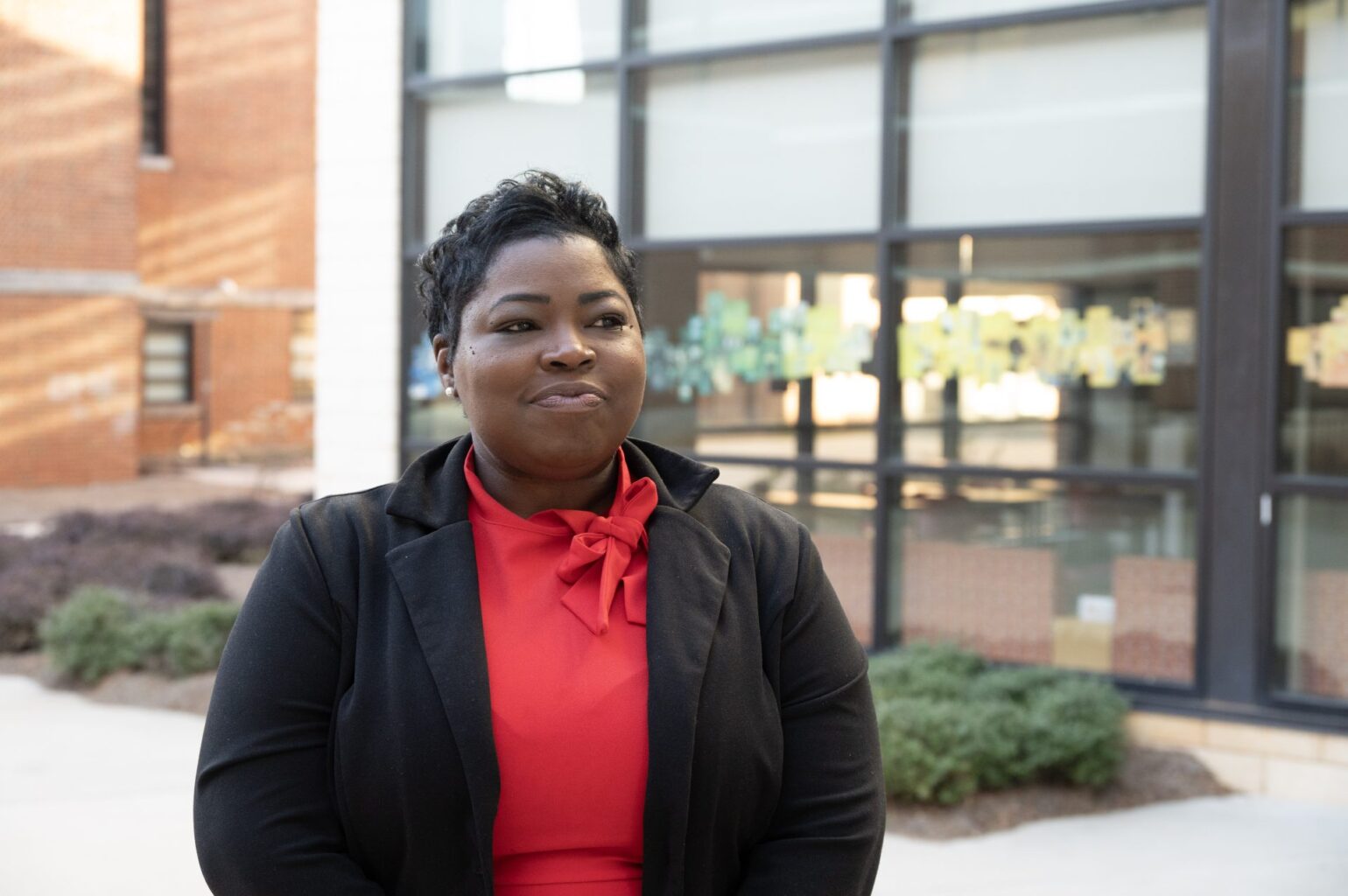
Cultivating a Lifetime of Legacy founder and Athens-Clarke County District Five Commissioner candidate Kimberly Bennett stands in the Clarke Central High School Media Center Courtyard on Feb. 12. Through her non-profit foundation, Bennett has mentored and provided educational services, as well as life skills to the youth. “I hope the work that I’ve employed will be my legacy,” Bennett said. “The many kids that I mentor, the kids that were probably looking up to me in this role, can (now) carry (on) that legacy of helping somebody else.” Photo by Grady Dunston, story by Violet Dockery
“(Black History Month) is the core of who I am. It’s what I was born into. It means resilience. It means people didn’t quit in hard times. I can remember even reflecting on me being a founder of a nonprofit, not quitting and keeping in the forefront, the reason, the purpose. The purpose was the next generation making sure we’re bridging the gaps, and so that was the core of doing that work, of what Black History means.”